How To Choose The Right Sump Pump For Palm Beach County Homes
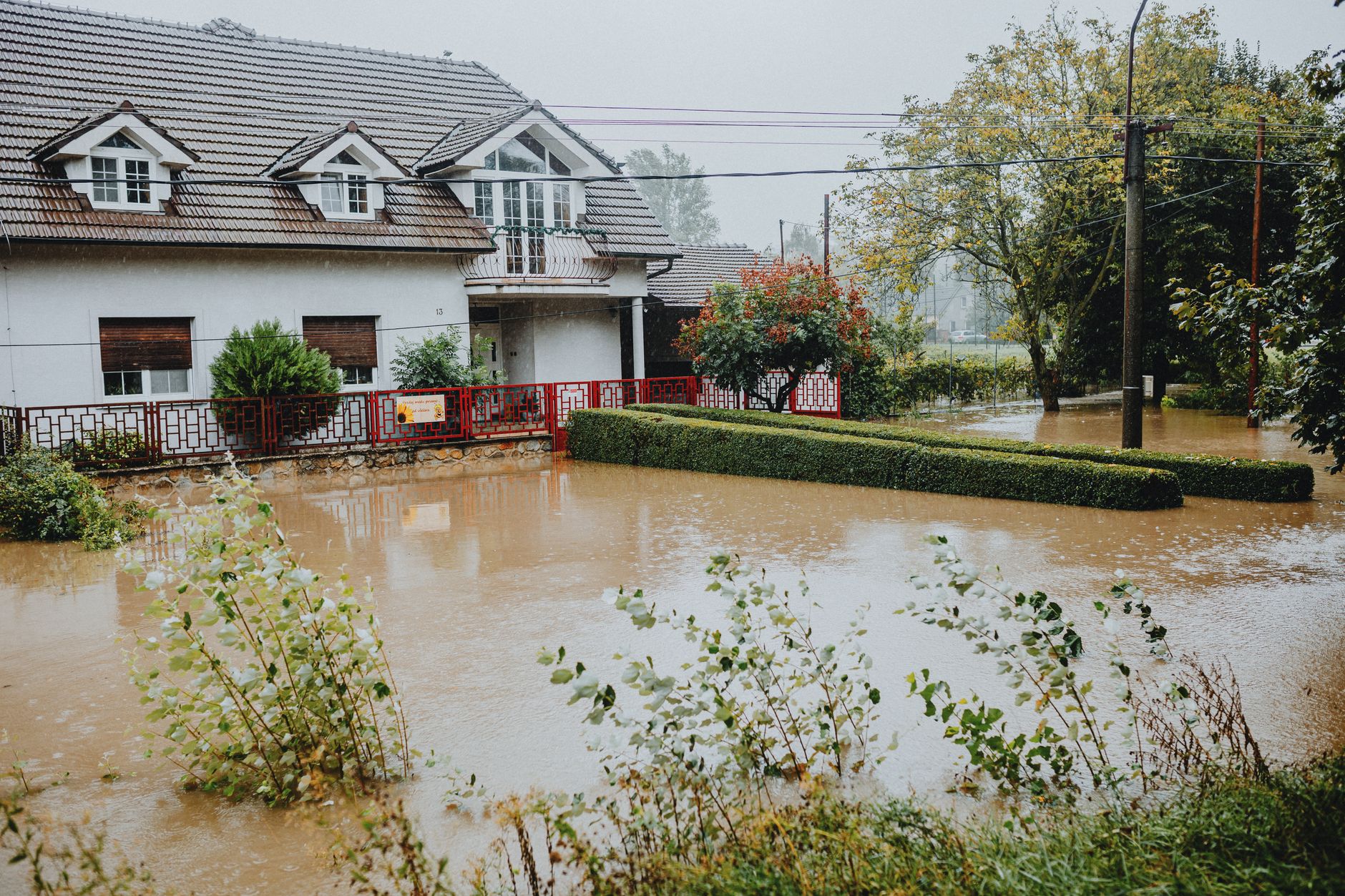
Living in Palm Beach County comes with its own set of unique challenges, especially when it comes to managing water in and around your home. Frequent rainstorms and the risk of flooding make it essential for homeowners to consider a sump pump as a reliable solution to protect their basements and crawl spaces from water intrusion. However, choosing the right sump pump can be daunting, with various types, features, and capacities to consider. Let's break down the essentials to help you make an informed choice.
Understanding the Types of Sump Pumps
There are primarily two types of sump pumps: submersible and pedestal. Submersible pumps are designed to be installed below the water level in a sump basin. They are typically more efficient and quieter, making them a popular choice for residential settings. On the other hand, pedestal pumps sit above the sump pit and have a longer lifespan due to less wear from water exposure. While they tend to be louder, they are often easier to service and maintain.
Submersible Sump Pumps
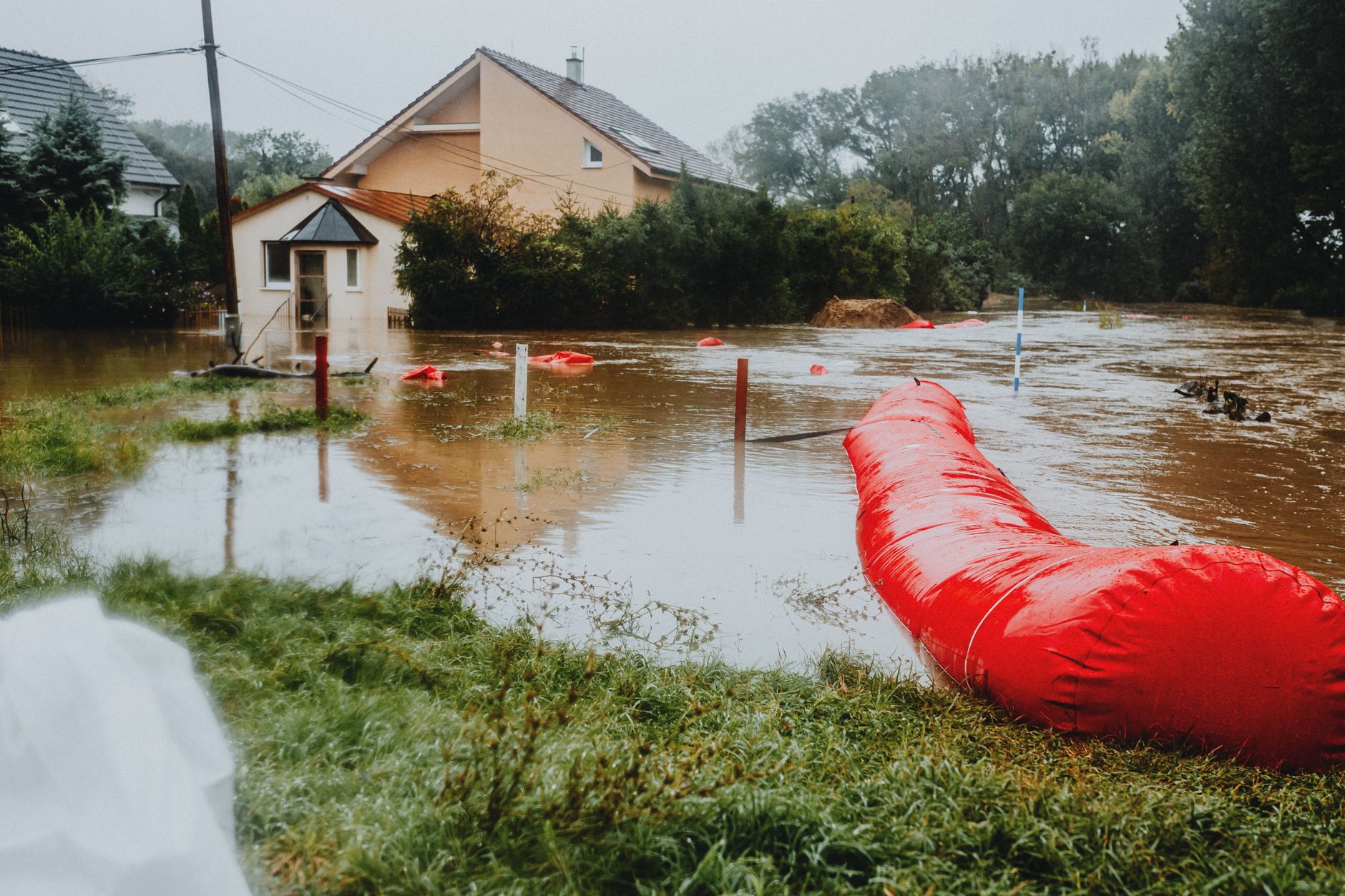
Submersible pumps can handle large volumes of water and are ideal for homes that experience significant flooding. They are designed to work while submerged in water, which makes them highly effective in preventing water damage. If your property is prone to heavy rains or flooding, investing in a high-capacity submersible pump could save you from costly repairs down the line.
Pedestal Sump Pumps
Pedestal pumps, while typically less powerful, are a great choice for smaller spaces or homes that don’t see extreme flooding. Their design allows for easy access to the motor for repairs and maintenance. If you are looking for a more affordable option and your home doesn't regularly flood, a pedestal pump may be a suitable choice.
Key Features to Consider
When choosing a sump pump, there are several important features to keep in mind:
- Horsepower: Higher horsepower means higher capacity. For most residential homes, a pump with 1/3 HP is sufficient, but 1/2 HP or more may be necessary for larger or flood-prone areas.
- Automatic Operation: Look for a pump with a float switch that automatically turns on when the water level rises, ensuring that it operates without manual intervention.
- Battery Backup: Power outages are common during storms. A sump pump with a battery backup system ensures that your pump continues to operate even when the electricity goes out.
- Durability: Ensure the pump is made from high-quality materials, as this will extend its lifespan and efficiency.
Calculating Your Needs
Each home is unique, and so are its water management needs. To determine the right capacity, consider the following factors:
- The size of your basement or crawl space.
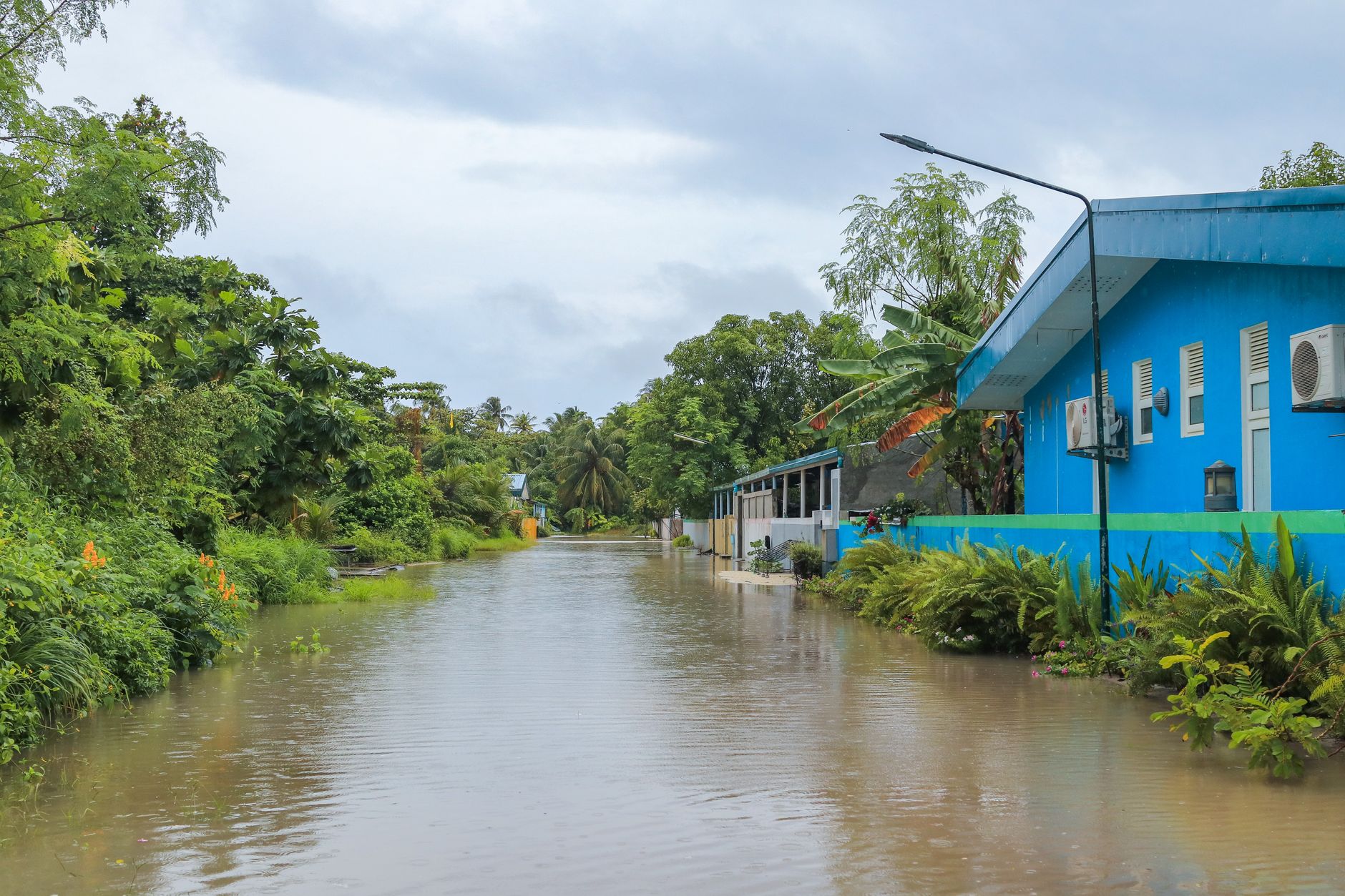
- The typical rainfall and flooding patterns in your area.
- Any existing drainage issues you may have.
It might be beneficial to consult with a local plumber or a water management specialist who can assess your property and recommend the best sump pump based on your specific needs.
When to Call a Professional
While some homeowners may feel comfortable installing a sump pump themselves, it's often wise to call in a professional. A qualified plumber can ensure that the system is installed correctly, reducing the risk of future problems. If you're unsure about your ability to install the pump or if your home needs additional drainage solutions, don't hesitate to reach out to an emergency plumber for assistance.
Conclusion
Choosing the right sump pump is crucial for protecting your Palm Beach County home from water damage. By understanding the different types of pumps, key features, and your unique needs, you can make a confident decision. Don't forget, investing in quality equipment and professional installation can save you from costly repairs down the road. For more information on handling water damage and restoration, check out this local service. For additional insights, consider reading this comprehensive guide on assessing storm damage.