How To Prepare Your Plumbing For Palm Beach County's Unique Climate Challenges
Living in Palm Beach County, you're no stranger to the unique challenges posed by our tropical climate. With fluctuating temperatures, intense rainfall, and the occasional hurricane, safeguarding your plumbing system is essential. It’s not just about fixing leaks when they happen; it’s about proactive maintenance to prevent plumbing disasters before they can impact your home.
Understanding the climate's impact on your plumbing begins with recognizing the common problems that can arise. For instance, heavy rains can lead to sewer backups, and the humidity can encourage mold growth in hidden areas. This guide will provide you with practical tips on how to prepare your plumbing for these challenges, ensuring a safe and functional home environment.
1. Regular Inspections
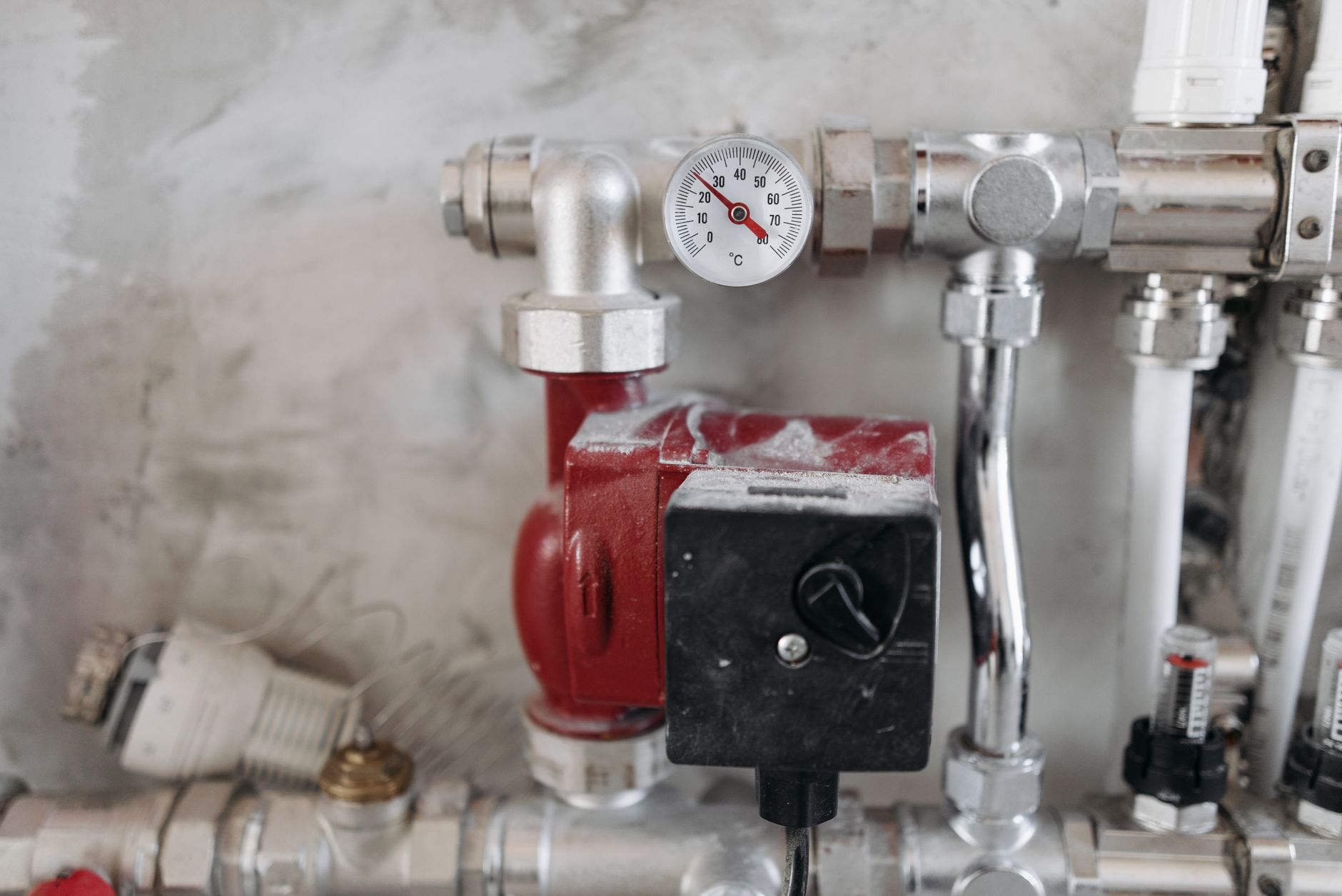
One of the most effective ways to protect your plumbing is to schedule regular inspections. Look for a qualified plumber who can check for hidden leaks and assess the condition of your pipes. During an inspection, they will also evaluate your water heater, drains, and fixtures to catch any issues before they escalate. If you’re unsure where to start, consider checking our leak detection services for help.
2. Prepare for Heavy Rain
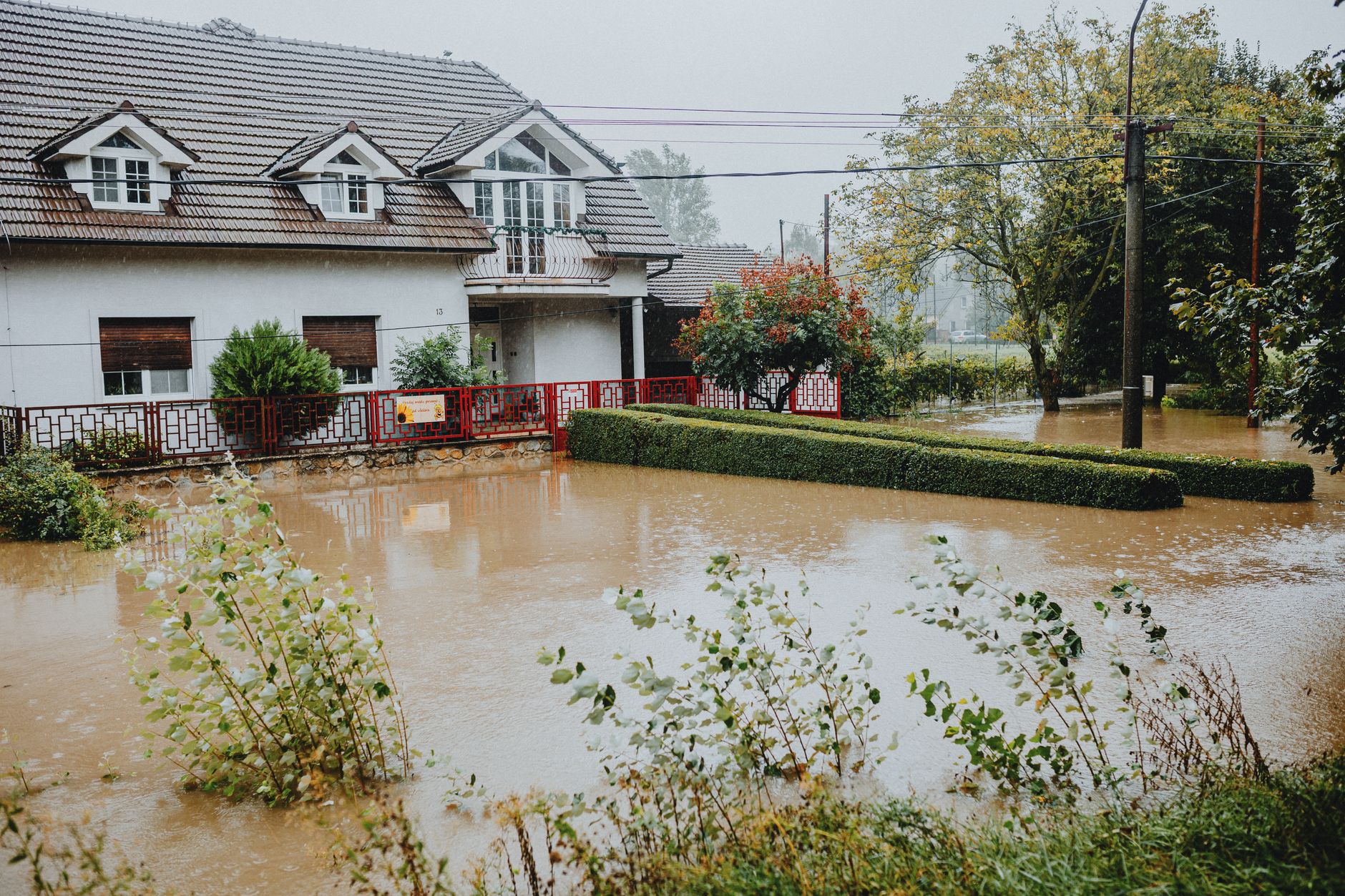
During the rainy season, ensure your gutters and downspouts are clear of debris. Clogged gutters can cause water to pool around your foundation, leading to potential slab leaks or structural damage. Ensure that your drainage systems are functioning correctly; if you notice pooling water, it might be time to call a professional.
Additionally, consider installing a sump pump in areas prone to flooding. This device can help divert water away from your home during heavy storms, reducing the risk of water damage. Familiarize yourself with your home's shutoff valve, so you can quickly turn off the water supply in case of a plumbing emergency. For more tips, our article on preparing plumbing for heavy rainfall might offer valuable insights.
3. Insulate Pipes
Humidity can lead to condensation on your pipes, which may result in mold growth. Insulating your pipes can help reduce this moisture. Use foam pipe insulation, particularly for pipes in unconditioned spaces like attics and basements. This simple step can minimize the risk of mold and keep your plumbing in better shape.
4. Know the Signs of Plumbing Problems
Being aware of the signs that indicate plumbing issues can save you time and money. Common indicators include:
- Unexplained increases in your water bill
- Water stains on walls or ceilings
- Frequent clogs or slow drains
If you notice any of these symptoms, it’s time to call a plumber for an inspection. Ignoring these signs can lead to more serious problems down the road.
5. Maintain Your Water Heater
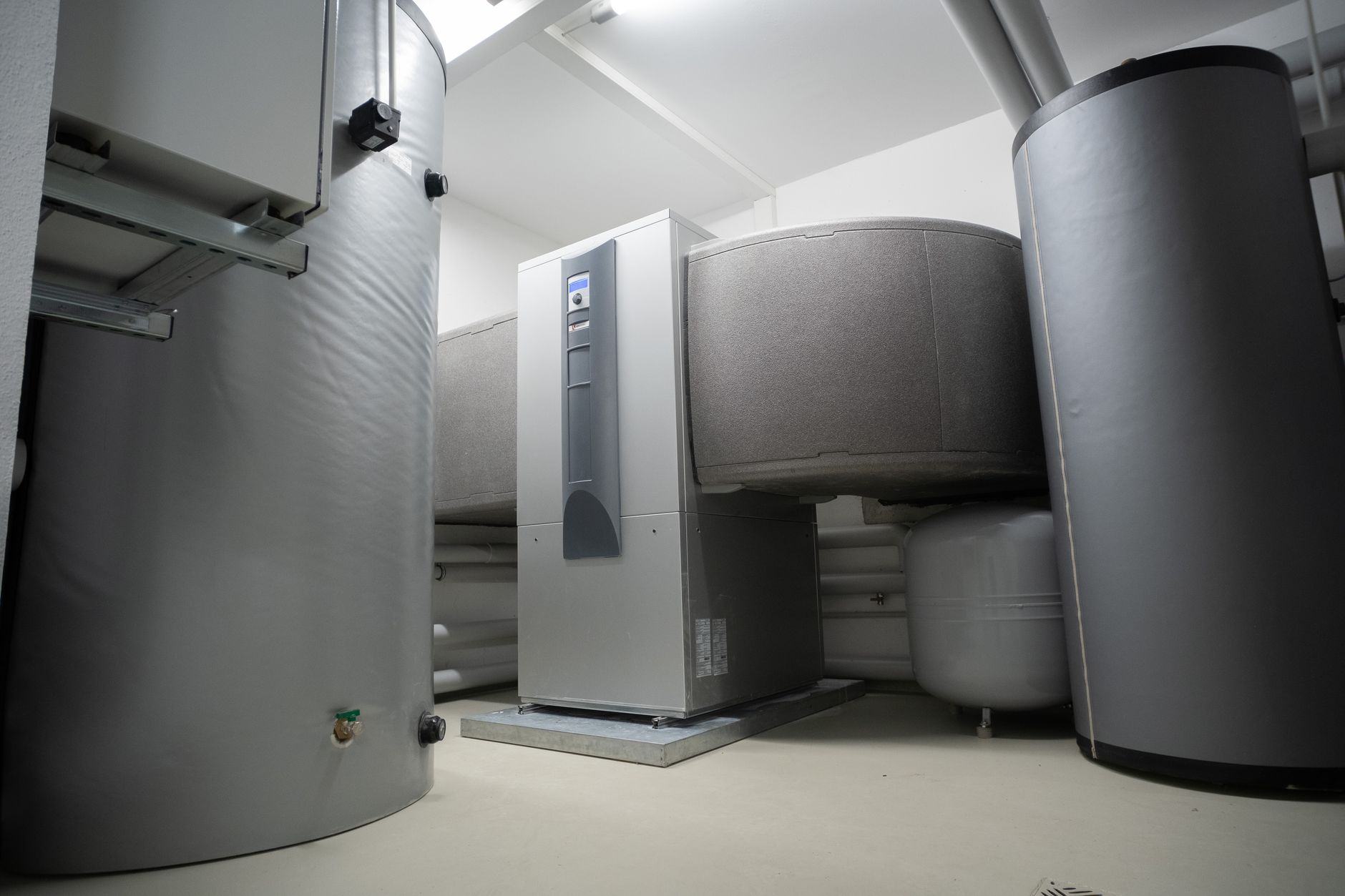
Your water heater is a vital part of your plumbing system, so regular maintenance is crucial. Check the temperature settings to ensure they’re not set too high, which can lead to increased pressure and potential leaks. Additionally, flushing your water heater annually can help prevent sediment buildup, which can affect its efficiency.
6. Have an Emergency Plan
In case of a plumbing emergency, having a plan can make all the difference. Know where your main shutoff valve is located and ensure all family members are aware of how to turn it off. Keep essential contact information for reliable plumbers, such as Broward Plumbing Pros, handy for quick access during emergencies.
Conclusion
Preparing your plumbing for Palm Beach County's unique climate challenges doesn't have to be overwhelming. By staying proactive with inspections, maintenance, and education on potential issues, you can protect your home from costly repairs and ensure a safe living environment. Remember, when in doubt, don’t hesitate to reach out to a professional for assistance. Your plumbing system is an investment worth protecting.