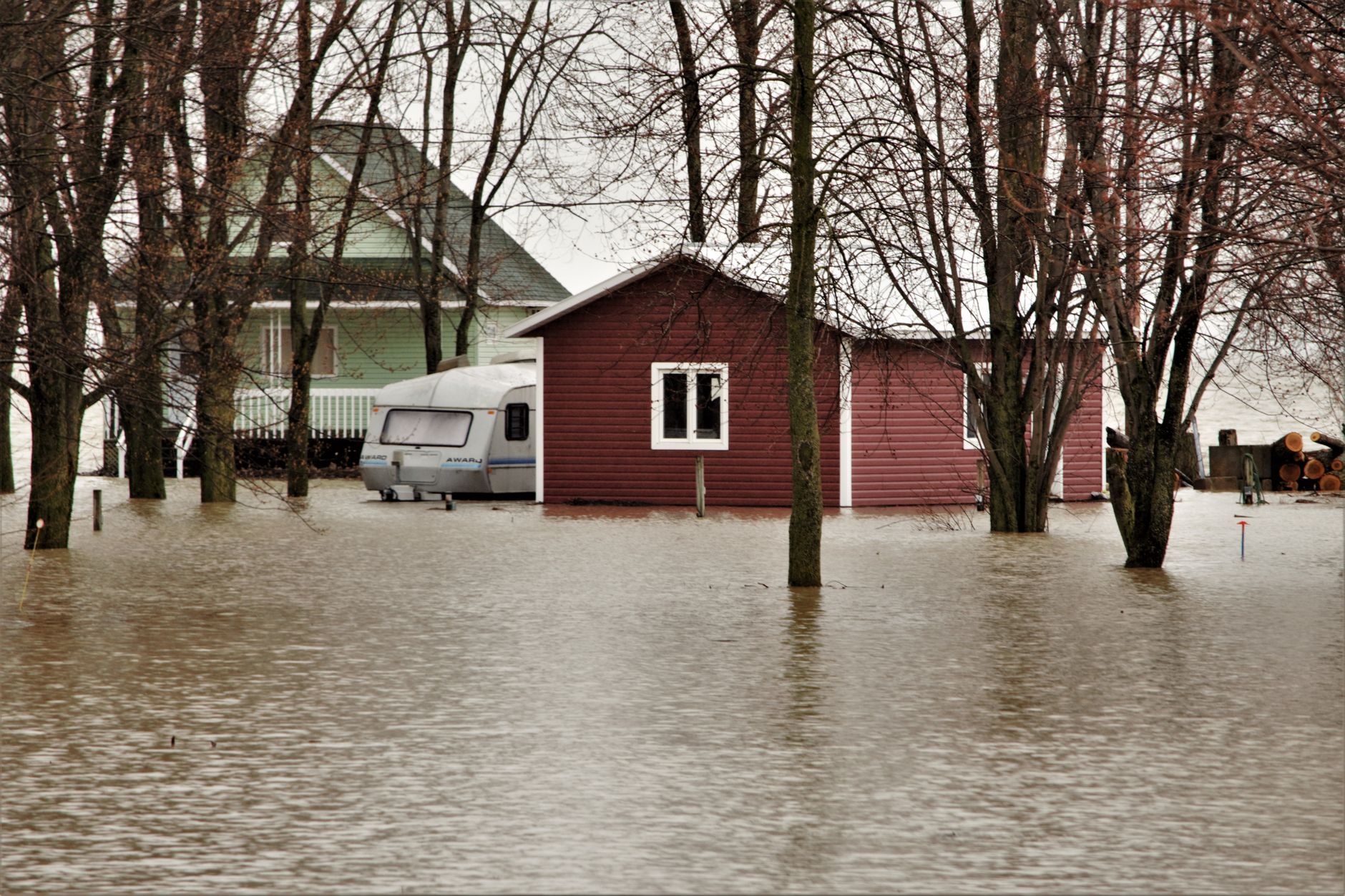
How To Identify Plumbing Issues Caused By Palm Beach County's Flooding
Living in Palm Beach County, we all know how sudden rainstorms can cause flooding, leading to potential plumbing issues that can wreak havoc in our homes. If you’ve ever experienced a heavy downpour, you might have noticed water pooling in areas it shouldn’t be, or perhaps you’ve even had to deal with a plumbing emergency. Understanding how to identify plumbing problems stemming from flooding is crucial to maintaining your home’s integrity and preventing costly repairs.
Common Plumbing Issues After Flooding
Flooding can lead to several plumbing problems including:
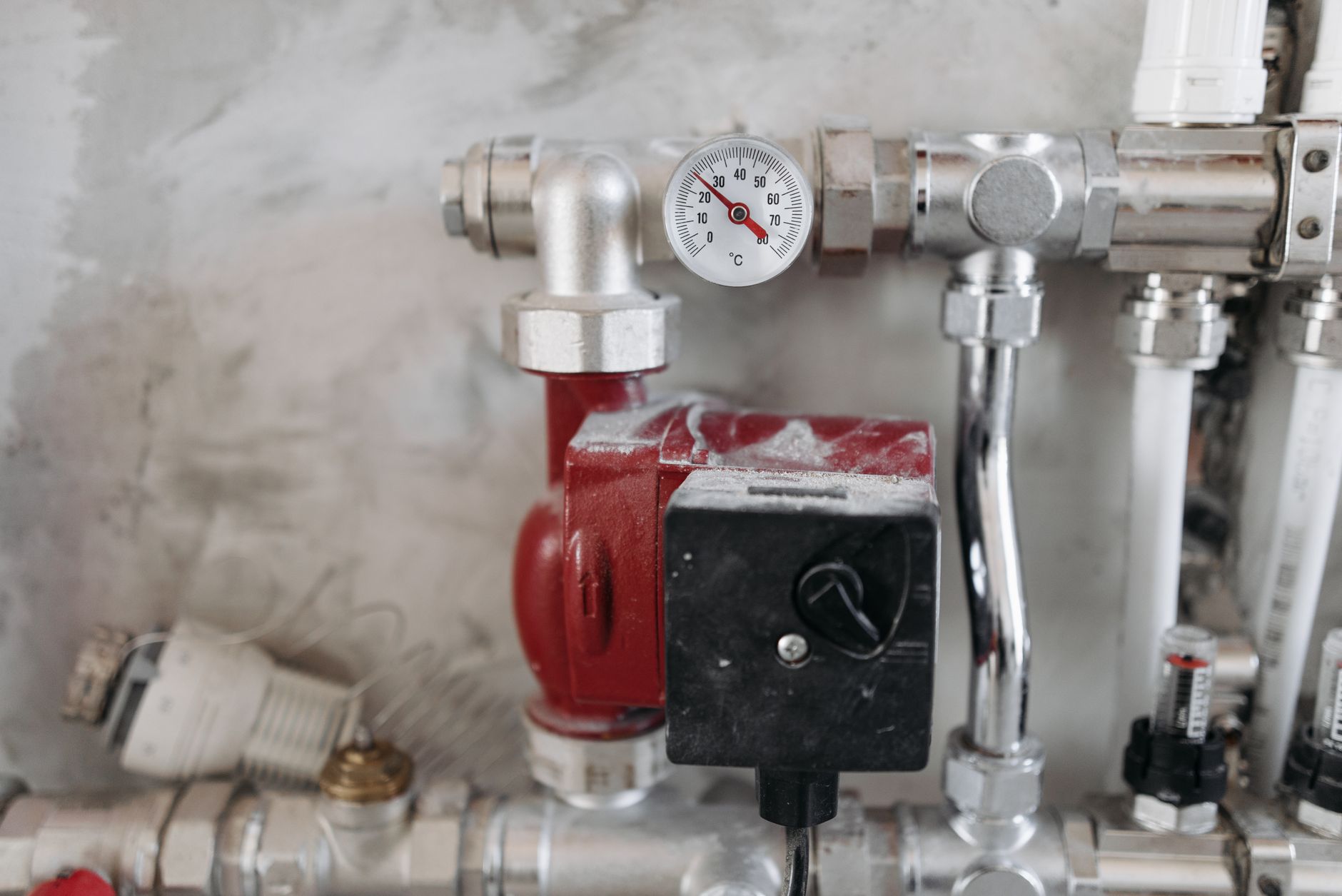
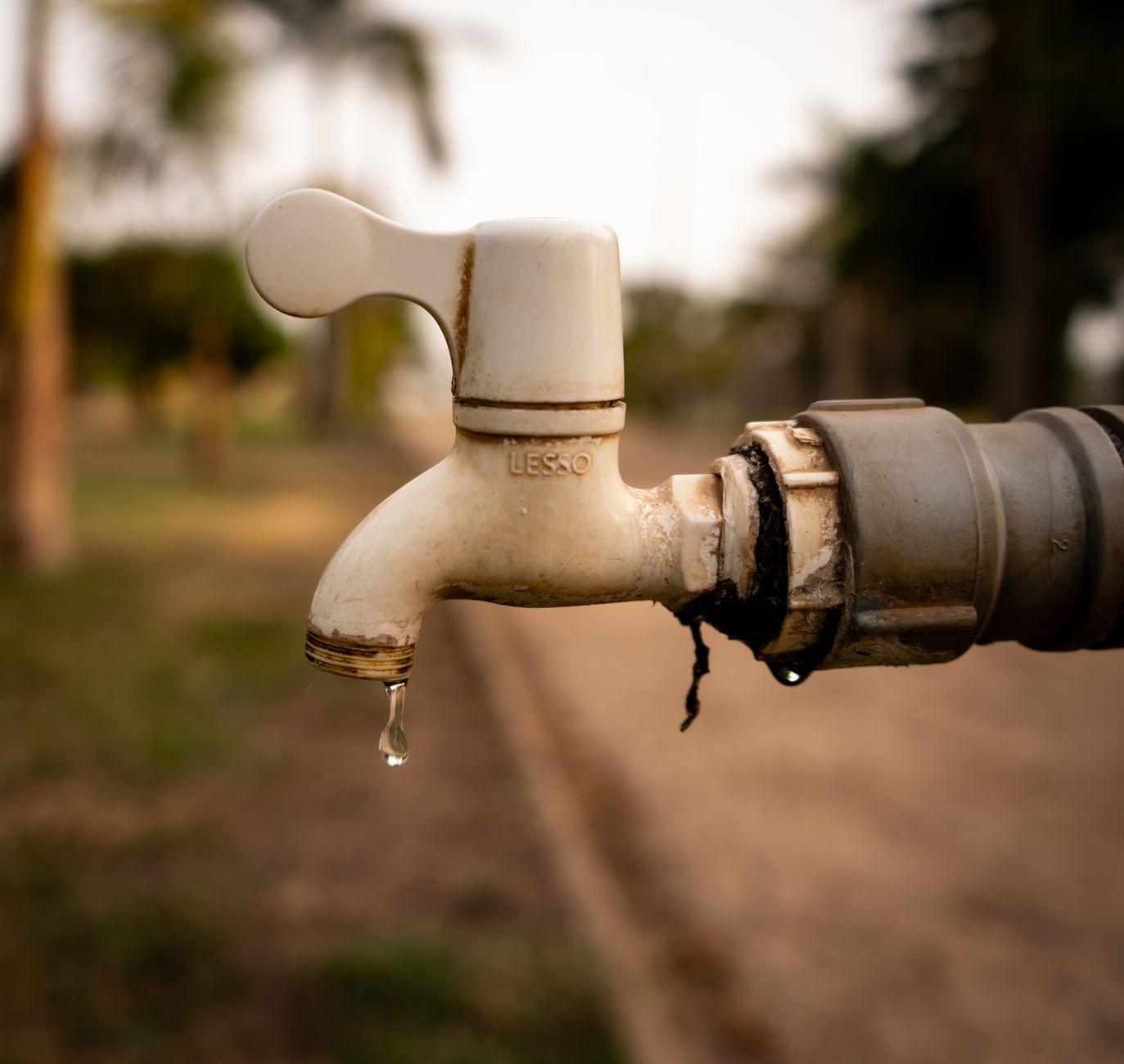
- Pipe Leaks: Water pressure can shift during floods, causing pipes to crack or burst.
- Drain Backups: Floodwaters can overwhelm drainage systems, leading to backups.
- Appliance Damage: Flooding can damage appliances, especially those connected to plumbing like dishwashers or washing machines.
Being aware of these issues can help you take immediate action. Let’s delve into how to spot these plumbing challenges in your home.
Signs of Plumbing Problems
After experiencing flooding, it’s essential to check for signs of plumbing issues:
1. Water Stains on Walls or Ceilings
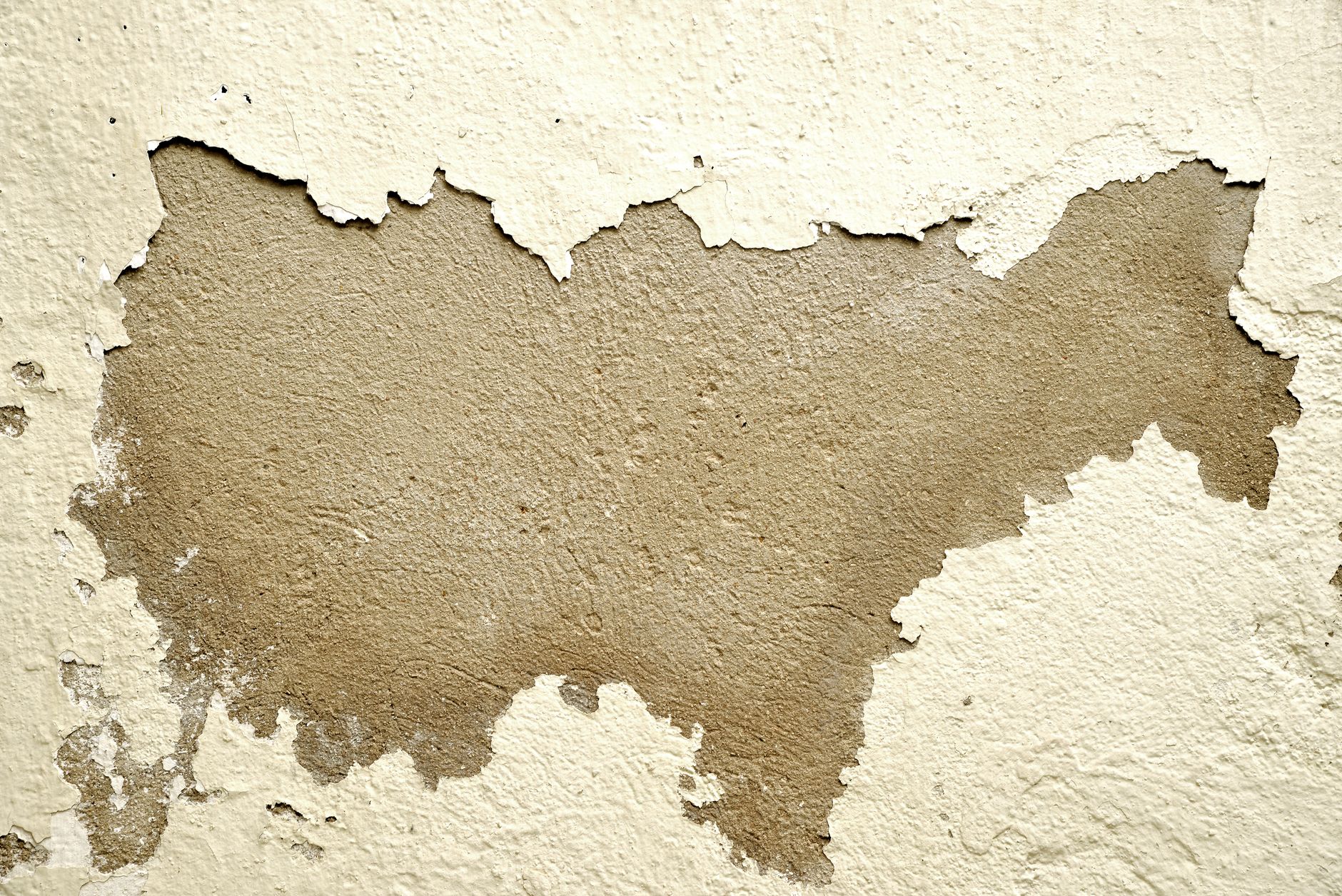
If you notice yellow or brown stains on your walls or ceilings, this could indicate a leak. Stains often point to water buildup behind the walls, which can lead to mold growth if not addressed quickly.
2. Unpleasant Odors
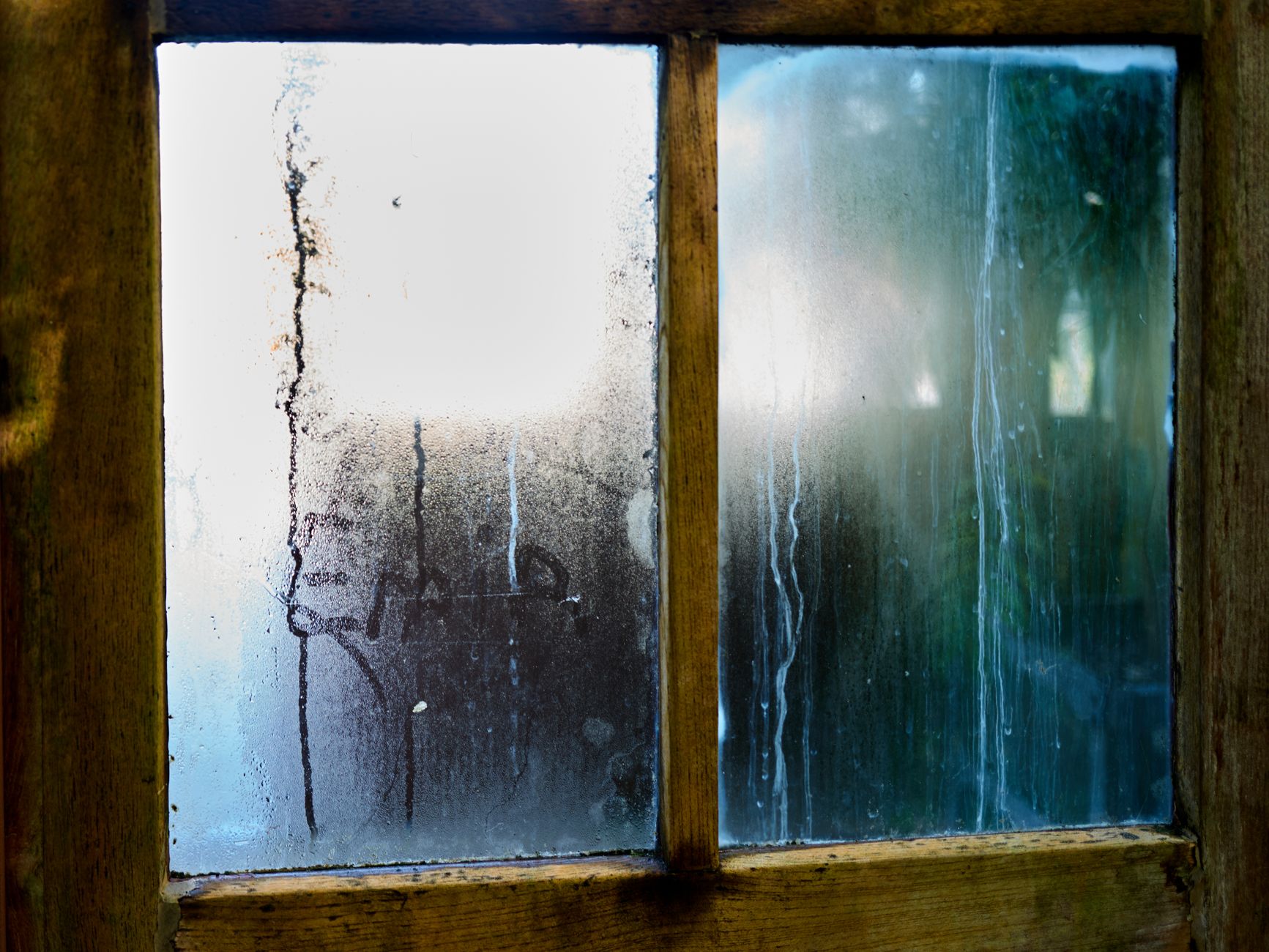
A musty smell can signal standing water in your home, which may be trapped in your plumbing system. Odors can also arise from sewage backups, which require immediate attention.
3. Unexplained Increase in Water Bills
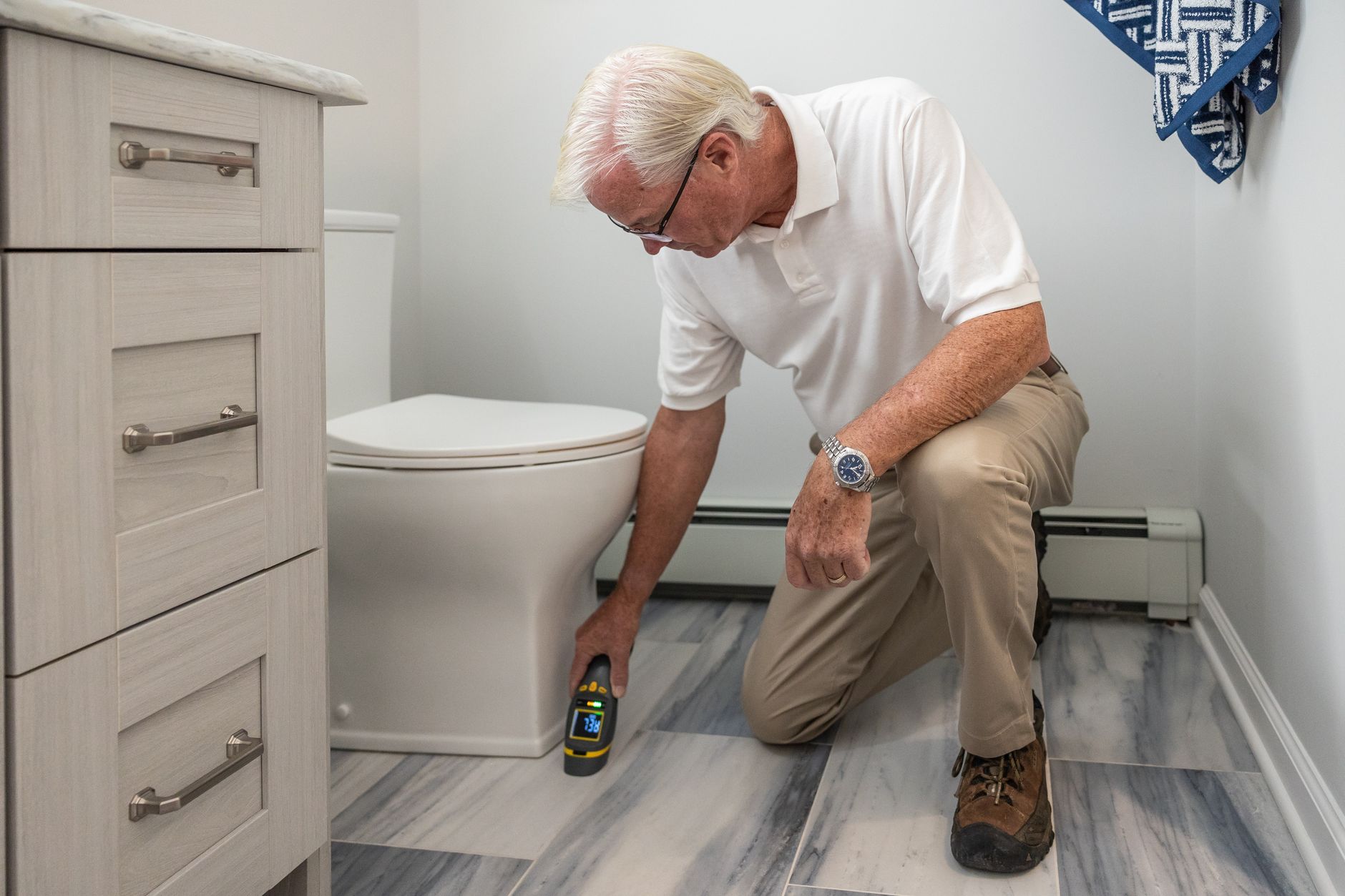
A sudden spike in water usage can indicate hidden leaks. After a flood, be sure to monitor your water bills closely.
4. Slow or Clogged Drains
If you find that your sinks or tubs are draining slowly, it might be due to debris washed into the plumbing system or a backup caused by floodwaters.
5. Mold Growth
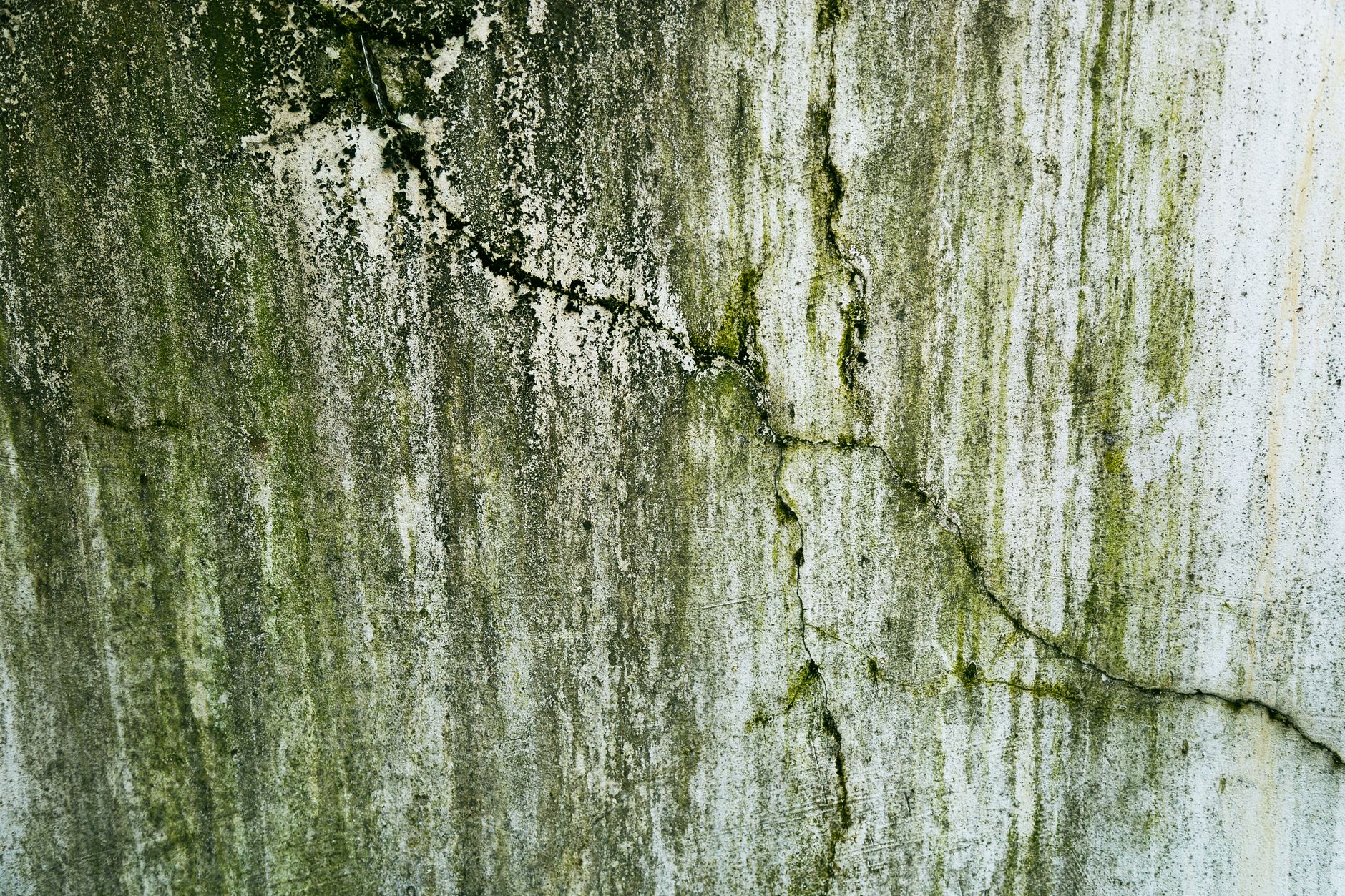
Flooding creates an ideal environment for mold growth. If you see mold developing in your home, it’s vital to address any underlying moisture issues promptly.
When to Call a Professional
If you observe any of these signs, it’s time to call a plumber. While some minor issues can be addressed with DIY methods, it’s best to consult a professional for more severe problems. Emergency plumbing services can tackle urgent issues that arise when you least expect them.
Dealing with Insurance Claims
Another aspect to consider after flooding is the potential for insurance claims. Understand your policy, and document any damage with photos. If you’re unsure about whether your plumbing issues will be covered, consult your insurance agent. Knowing how to file a claim and the necessary steps can save you time and frustration.
Preventing Future Issues
To minimize the risk of plumbing issues caused by flooding in the future, consider the following preventative measures:
- Regular maintenance checks on your plumbing system.
- Install sump pumps in vulnerable areas to manage excess water.
- Ensure proper drainage around your property.
Implementing these strategies can help safeguard your home against potential flooding damage.
If you suspect that flooding has caused plumbing issues, don’t hesitate to reach out for help. For 24/7 assistance with water damage restoration, check out Palm Beach Mold And Water. They specialize in quickly addressing water damage and can help restore your home to its former glory.
For more on identifying mold issues after flooding, you can read this helpful article by our partners: How To Identify and Address Mold Issues After Storm Damage In Palm Beach.
Conclusion
In conclusion, being proactive about identifying plumbing issues caused by flooding can save you time, money, and stress. By keeping an eye out for signs of trouble and knowing when to call a professional, you can protect your home and ensure its plumbing system remains in good working order. Remember, when in doubt, don’t hesitate to reach out to a qualified plumber for assistance.