The Impact Of Saltwater Intrusion On Palm Beach County Plumbing
Living in Palm Beach County certainly has its perks—beautiful beaches, sunny weather, and a vibrant community. However, the proximity to the ocean also brings unique challenges, particularly concerning plumbing. One of the most pressing issues facing homeowners in our area is saltwater intrusion, which can wreak havoc on plumbing systems.
Saltwater intrusion occurs when seawater encroaches into freshwater aquifers, often due to rising sea levels or excessive groundwater extraction. This phenomenon not only affects drinking water quality but can also lead to serious plumbing problems in homes and businesses. Homeowners often find themselves facing corrosion in pipes, malfunctioning water heaters, and decreased water pressure—all of which can stem from the presence of saltwater.
Understanding Saltwater Intrusion
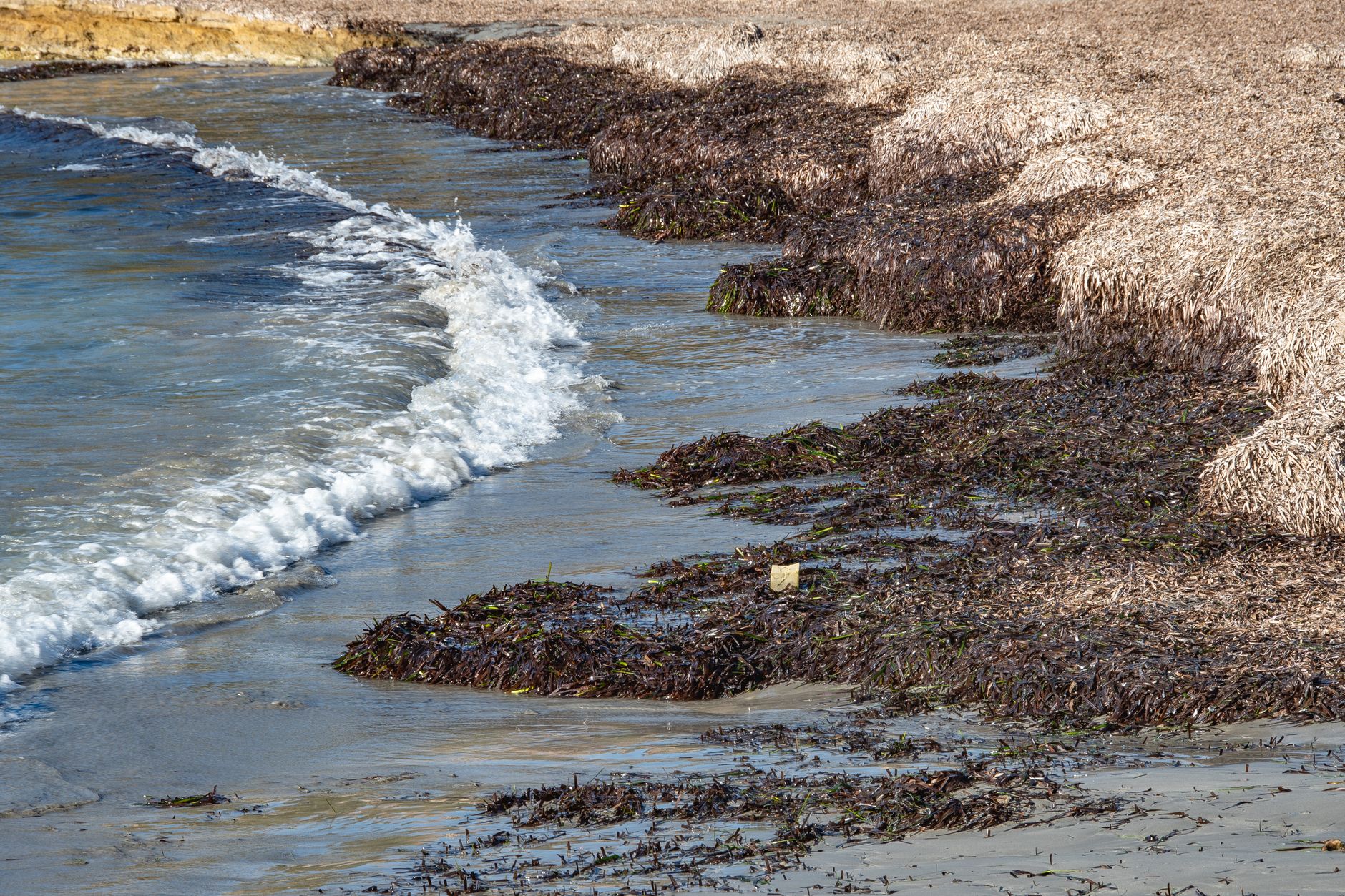
To fully appreciate the impact of saltwater intrusion, it's crucial to understand the mechanics behind it. As groundwater levels drop, seawater can move inland, contaminating freshwater supplies. This intrusion can be exacerbated by heavy rainfall, which can lead to flooding and further elevate saltwater levels in the soil. The result? Your plumbing system may be exposed to high levels of salinity, which can accelerate wear and tear on pipes.
The Dangers of Corrosion
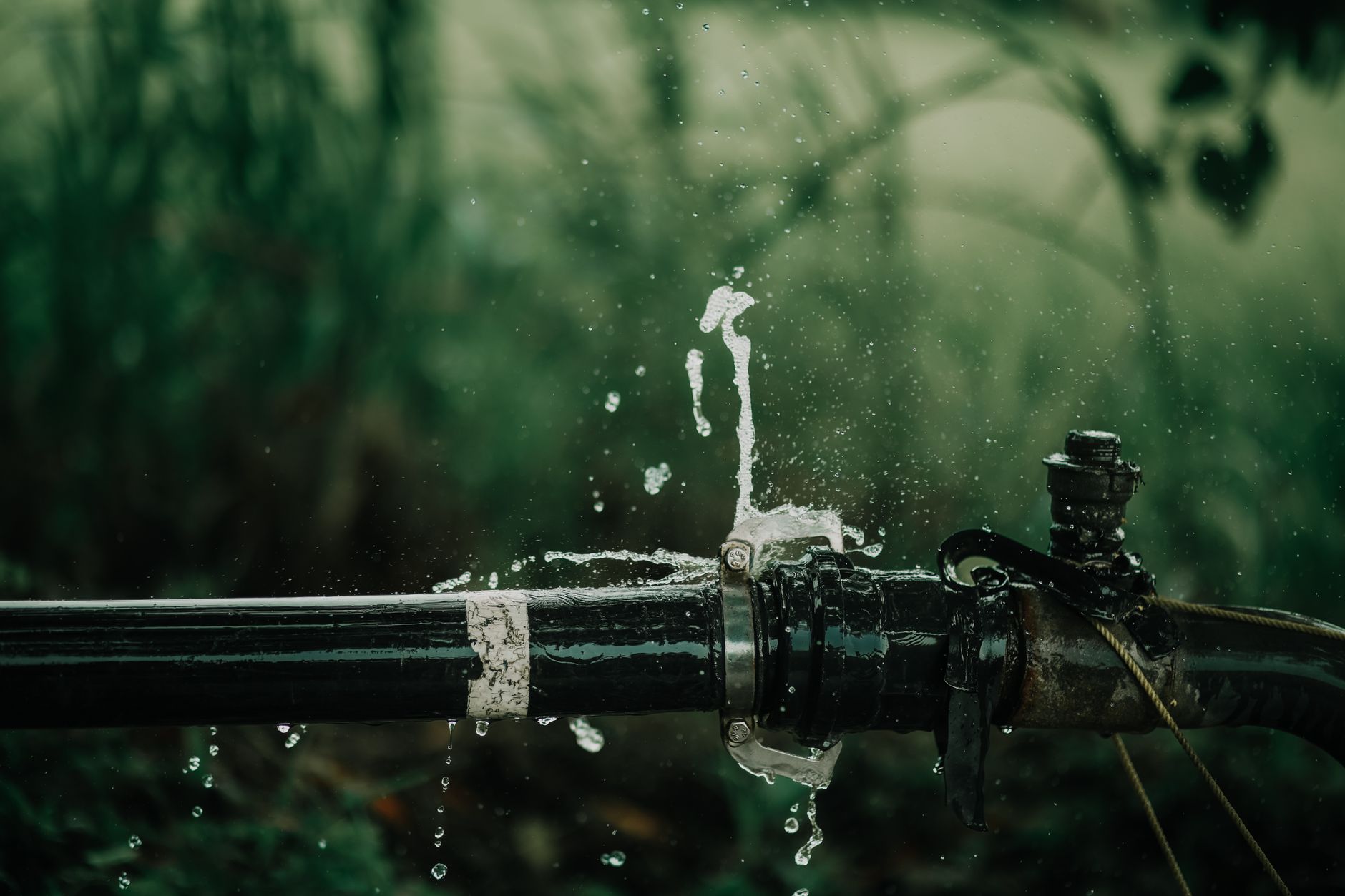
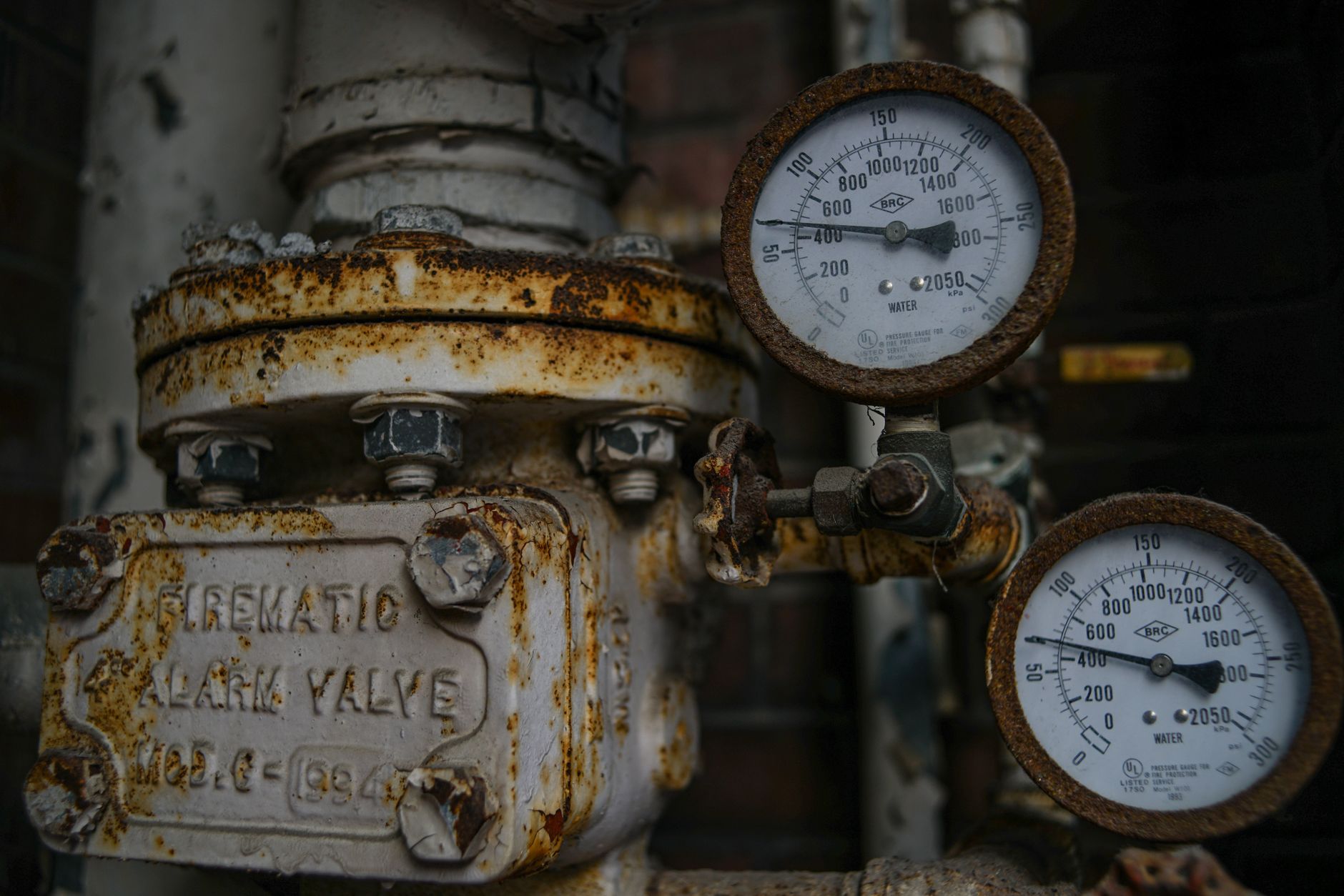
One of the most significant risks associated with saltwater intrusion is corrosion. Salt can cause pipes, especially those made from metal, to deteriorate faster than they normally would. Homeowners may notice signs of corrosion such as rust, leaks, or even complete pipe failure. When corrosion occurs, it can lead to larger plumbing issues, including:
- Leakage from corroded pipes
- Reduced water pressure
- Water discoloration
If left unaddressed, these problems can escalate, potentially leading to costly repairs or even the need for a complete plumbing overhaul.
Signs Your Plumbing is Affected
Being proactive is key to preventing saltwater intrusion from negatively impacting your plumbing. Here are some signs to watch for:
- Unusual discoloration of your water, often a rusty or brown hue
- Frequent leaks or pipe bursts
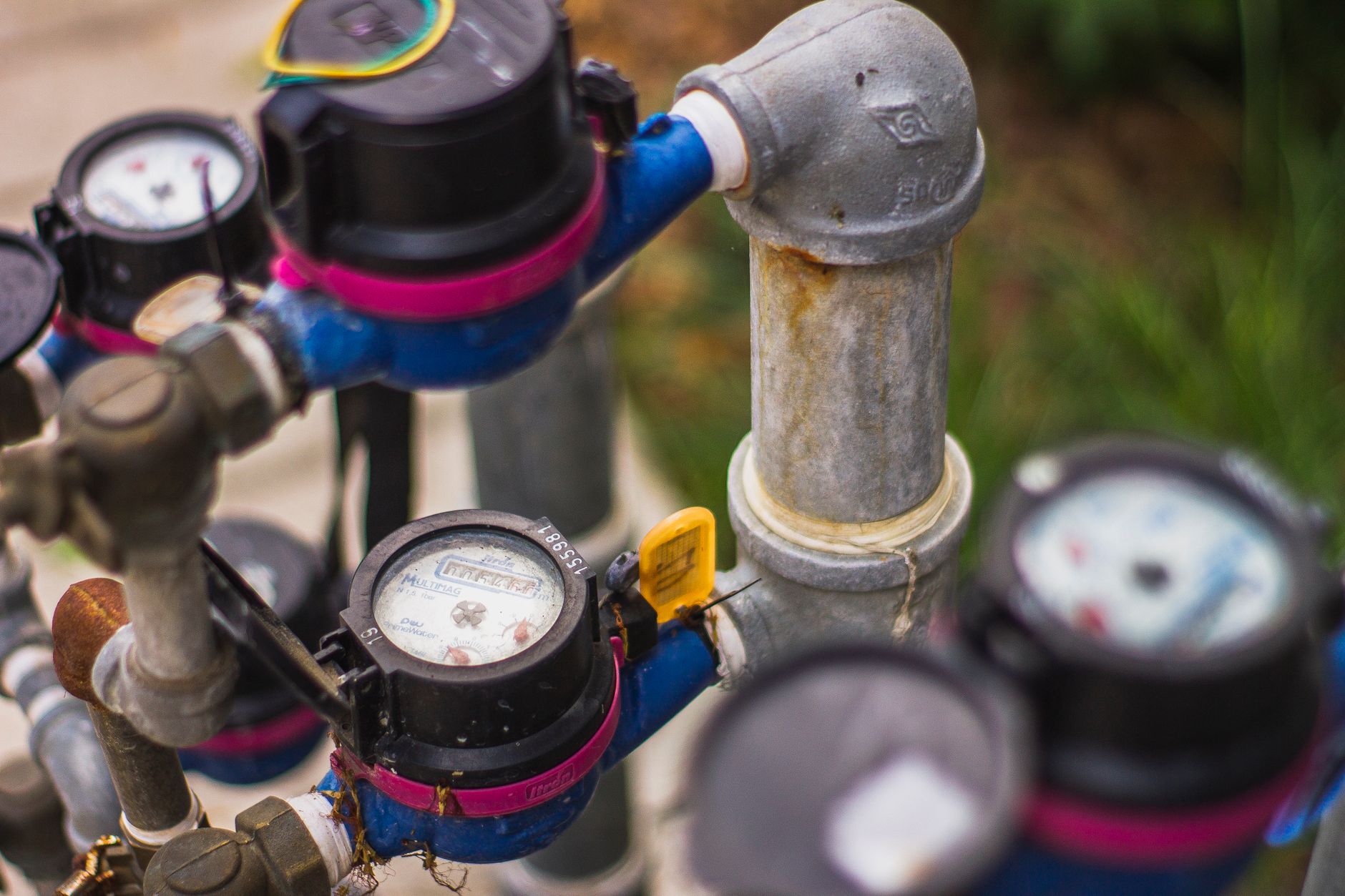
- Increased water bills without a clear reason
- Changes in water pressure
If you notice any of these issues, it’s important to schedule a plumbing inspection as soon as possible. Ignoring these signs can lead to even more serious damage.
When to Call a Professional
While some homeowners may attempt to address plumbing issues themselves, dealing with the ramifications of saltwater intrusion often requires professional expertise. If you suspect that your plumbing has been compromised, it’s crucial to consult a licensed plumber. They can conduct a thorough evaluation and provide recommendations tailored to your specific situation.
For instance, a professional can assess whether you need a burst pipe repair or if your entire system may need to be re-evaluated due to extensive damage. Professional plumbers are also equipped to handle emergency situations that can arise from saltwater intrusion.
Preventative Measures
So, how can you protect your plumbing from saltwater intrusion? Here are some preventative measures to consider:
- Regular plumbing inspections to catch issues early.
- Consider using corrosion-resistant piping materials.
- Install a water softener to reduce the impact of saline water.
In addition, staying informed about local environmental changes can help you anticipate potential risks related to saltwater intrusion.
Conclusion
Saltwater intrusion is a serious concern for homeowners in Palm Beach County, but with the right knowledge and proactive measures, you can protect your plumbing system. Always stay vigilant for signs of trouble and don’t hesitate to reach out to a professional when needed. For those facing damage from water intrusion, Palm Beach Mold And Water offers comprehensive restoration services to help mitigate damage and restore your home.
Additionally, understanding how environmental factors like coastal humidity can contribute to mold growth is essential. You may find valuable information in their article on the impact of coastal humidity on mold growth.