The Ultimate Guide To Plumbing Safety During Palm Beach's Storm Season
As storm season approaches in Palm Beach, homeowners face not just the threat of high winds and heavy rainfall, but also the risk of plumbing issues that can escalate into major disasters if left unchecked. When the skies darken and the winds begin to howl, it’s essential to ensure that your plumbing system is prepared to handle the challenges that come with severe weather. This guide aims to provide you with practical advice on maintaining plumbing safety during storm season, helping you prevent leaks, backups, and costly repairs.
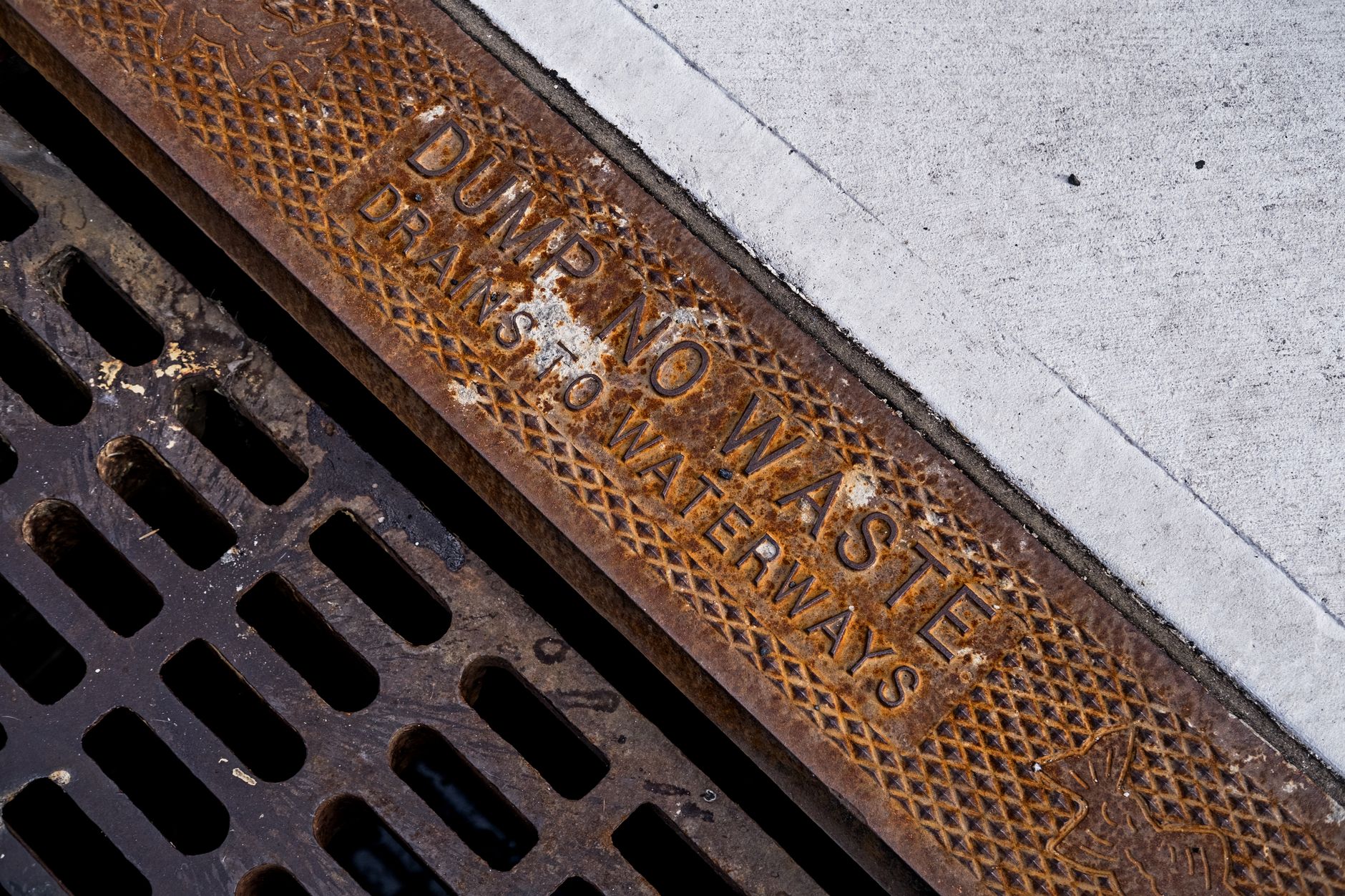
Storms can bring torrential rain, which may overwhelm your home’s drainage systems. If you’ve ever experienced water pooling in your yard or overflowing gutters, you understand the importance of having a well-maintained plumbing system. So, how can you safeguard your home?
Preparing Your Plumbing for Storm Season
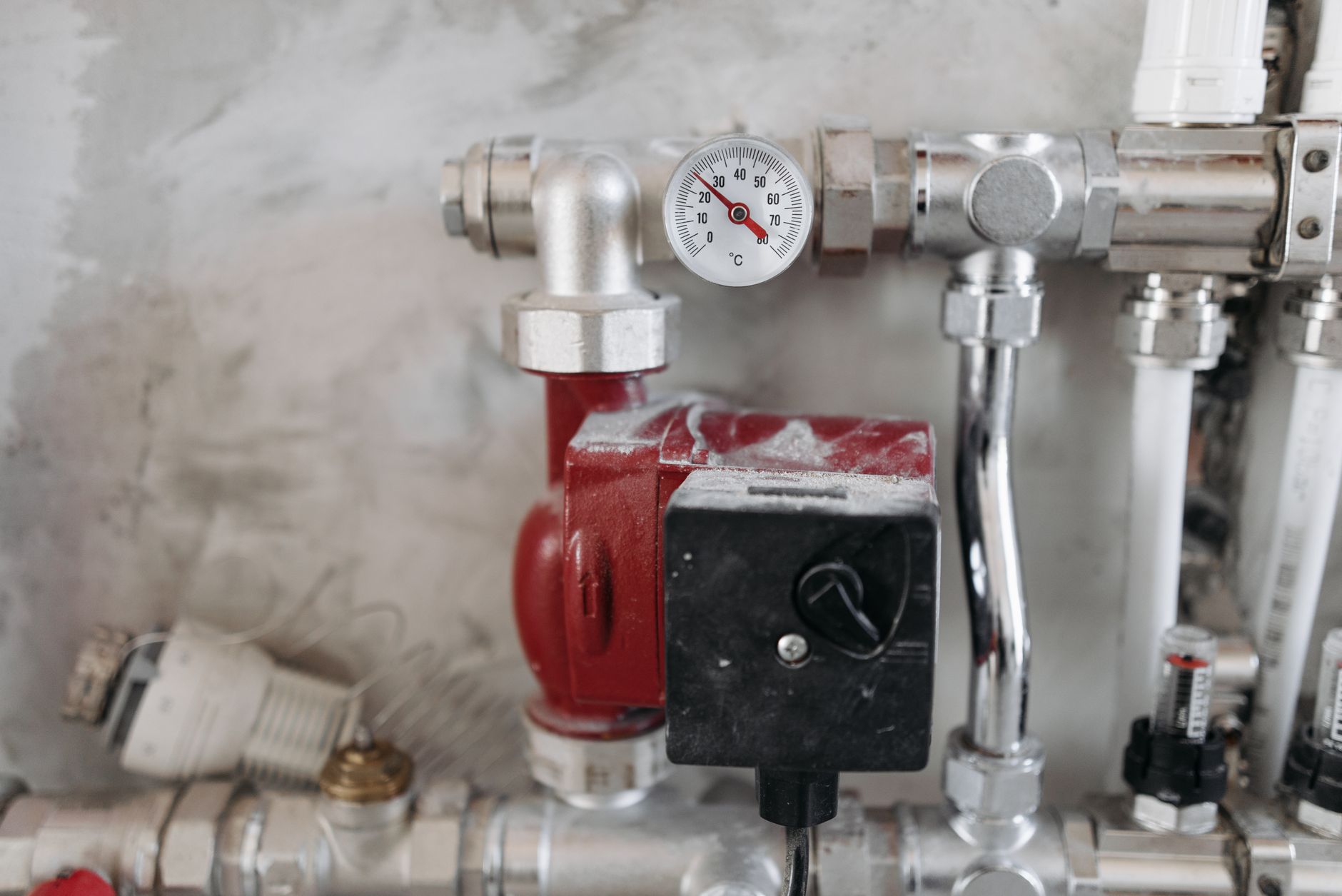
The first step in ensuring plumbing safety is to assess your home’s plumbing system before the storms hit. Here are some key areas to focus on:
- Inspect Gutters and Downspouts: Ensure that your gutters are clear of debris and that downspouts direct water away from your foundation. Clogged gutters can lead to water overflow, causing leaks or even flooding in your basement.
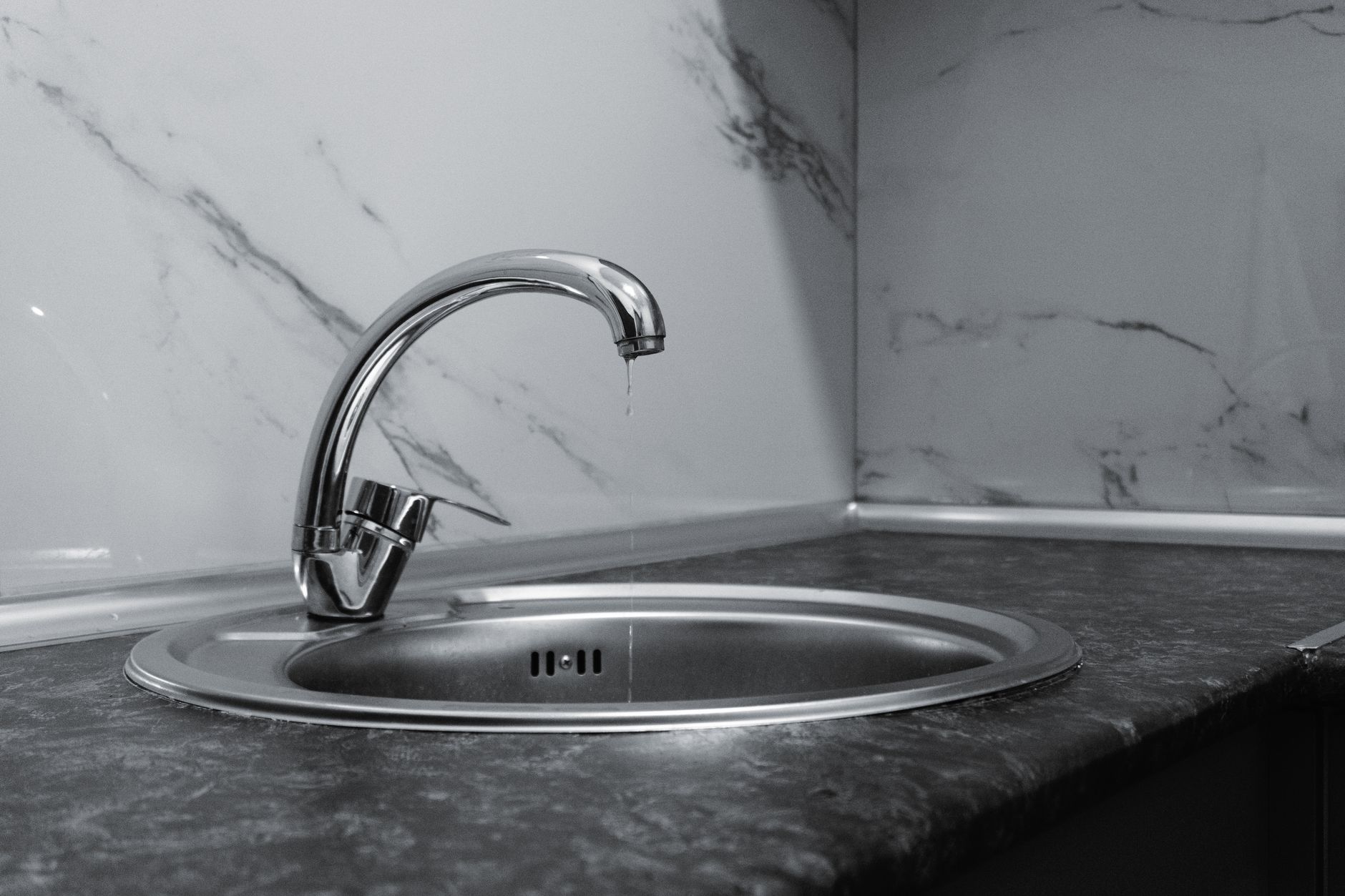
- Check for Leaks: Look for signs of leaks around your faucets, pipes, and appliances. A small leak can quickly become a larger problem when subjected to heavy rainfall. If you notice any damp spots or water stains, consider calling a plumber for a thorough inspection.
- Test Your Sump Pump: If you have a sump pump, make sure it’s functioning properly. This crucial device can help prevent flooding in your basement during heavy rains. Consider running a test by pouring water into the sump pit to ensure it activates and drains effectively.
What to Do During a Storm
While preparation is key, it’s also important to know how to react during a storm. Here are some tips:
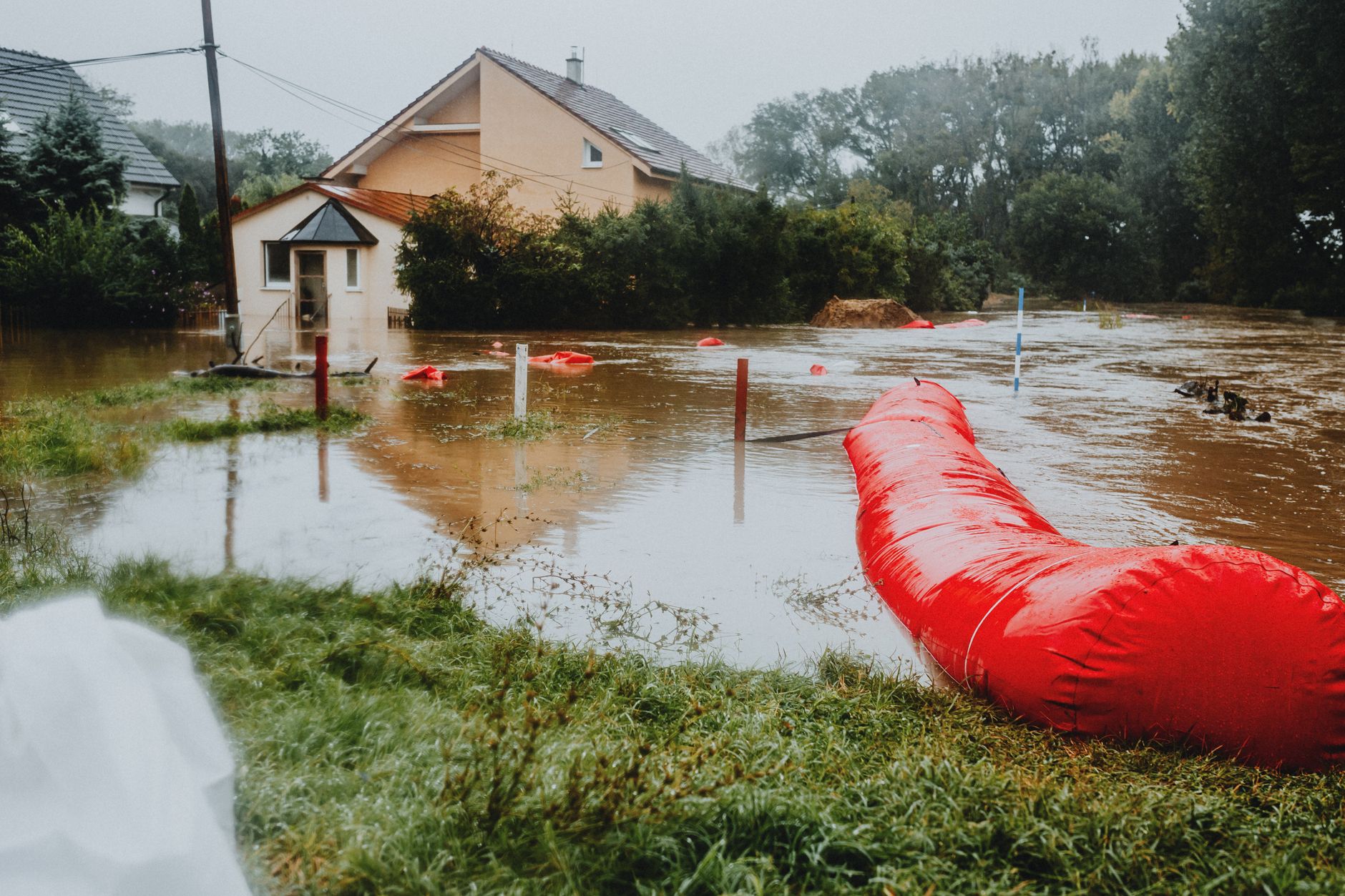
- Monitor Local Weather Reports: Stay informed about the storm’s progression and any potential flooding risks in your area. This knowledge will help you take timely action if needed.
- Turn Off Water Supply: If you anticipate significant flooding or heavy rains, consider shutting off your home’s main water supply. This can prevent water damage from broken pipes or unexpected leaks.
- Document Any Damage: If water does enter your home, take photos and document the damage for insurance claims. This information can be crucial when filing a claim.
Signs You May Need a Professional
After the storm has passed, it’s essential to inspect your plumbing system again. Look for any signs that may indicate you need to call a plumber:
- Unusual water stains on ceilings or walls
- Pooling water in your yard or near your foundation
- Low water pressure
- Strange noises coming from your pipes
Don’t ignore these signs—addressing plumbing issues promptly can save you from more extensive and expensive repairs down the road. If you need immediate assistance, don’t hesitate to contact a professional plumber.
Insurance Considerations
Understanding your homeowner’s insurance policy is also crucial as storm season approaches. Review your policy to determine what types of water damage are covered. Flooding caused by heavy rains may require additional flood insurance, which is separate from standard homeowner policies. Always keep a copy of your insurance policy handy and document any pre-existing conditions in your plumbing system.
For more guidance on preventing plumbing issues, you may find this blog article helpful. It provides additional tips tailored to various home types and rental properties.
Conclusion
Storm season in Palm Beach can bring about unforeseen plumbing challenges, but with the right preparations and knowledge, you can protect your home from potential disasters. Regular maintenance, timely inspections, and understanding your insurance policy are key components of plumbing safety. Remember, if you encounter any plumbing problems or have concerns about your plumbing system, call a plumber to ensure your home remains safe and dry.
If you’re dealing with an AC drain line leak during a storm, check out our page on AC Drain Line Leak for more information.