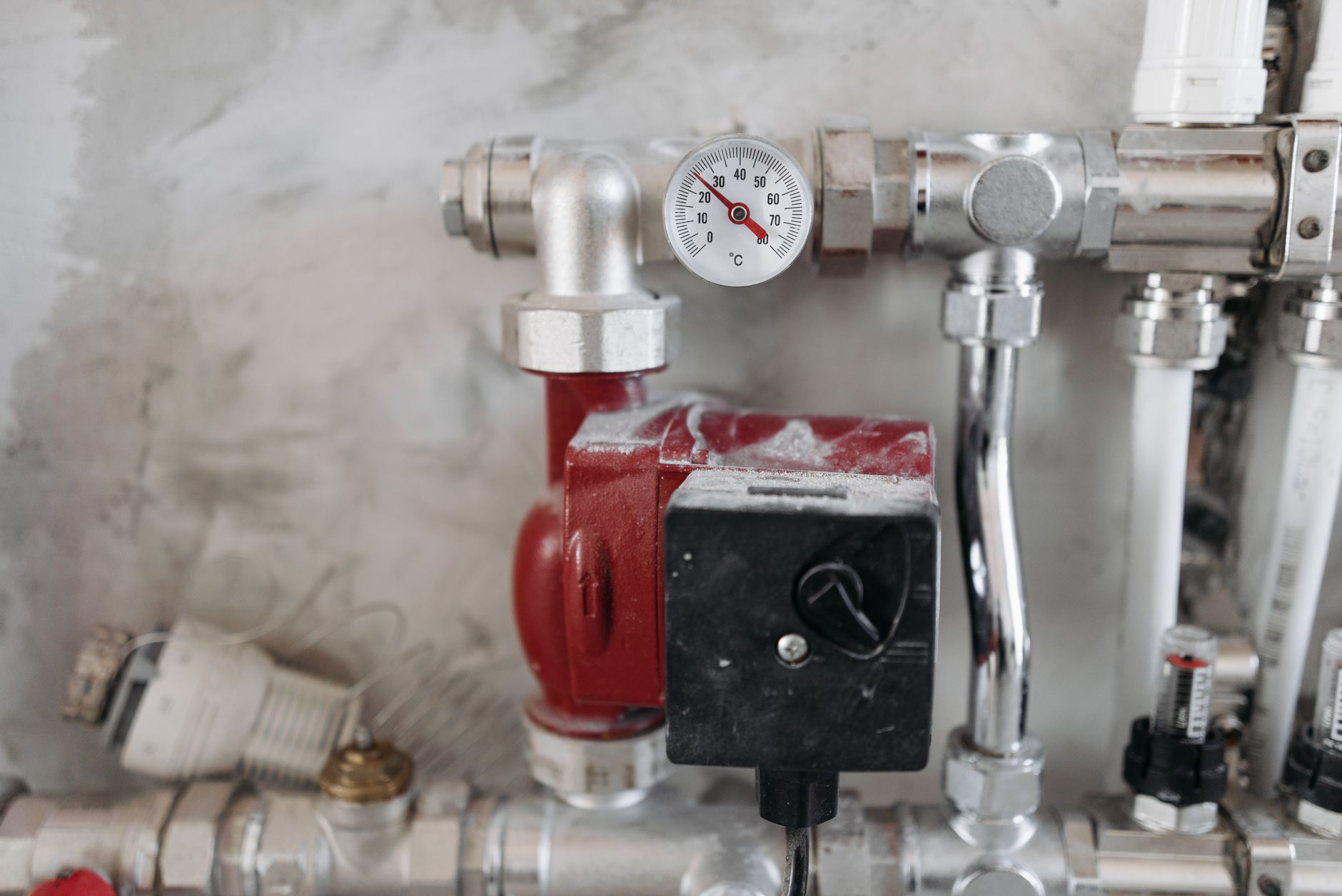
How To Protect Your Plumbing From Palm Beach County's Humid Climate
Living in Palm Beach County, you’re undoubtedly familiar with the sultry, humid climate that can take a toll on your home’s plumbing system. The moisture in the air can lead to a host of plumbing issues, from rusting pipes to mold growth. As a homeowner, it’s crucial to take proactive steps to protect your plumbing from the effects of humidity. Here, we’ll explore some strategies to safeguard your plumbing, ensuring it remains in top shape.
Understanding Humidity's Impact on Plumbing
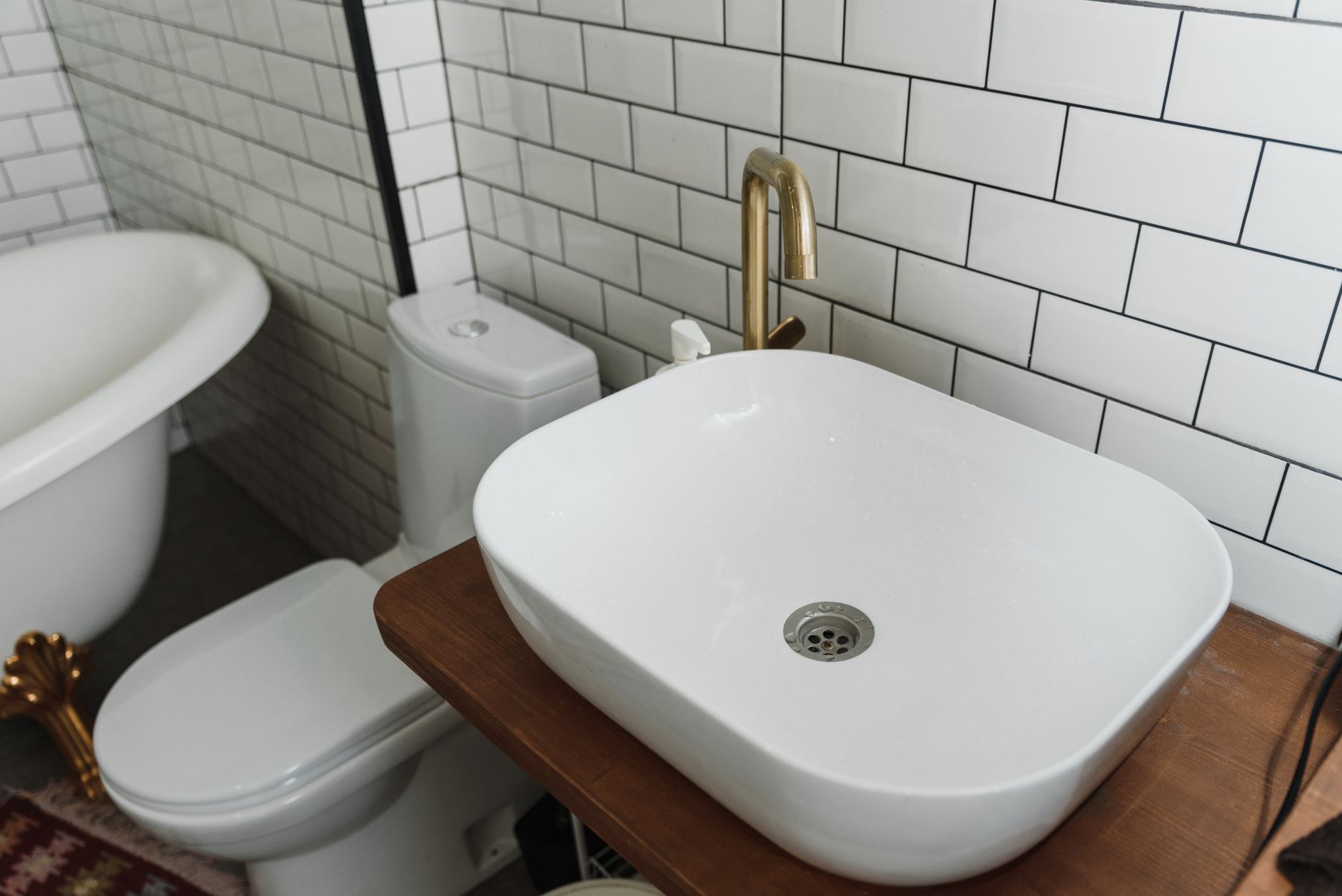
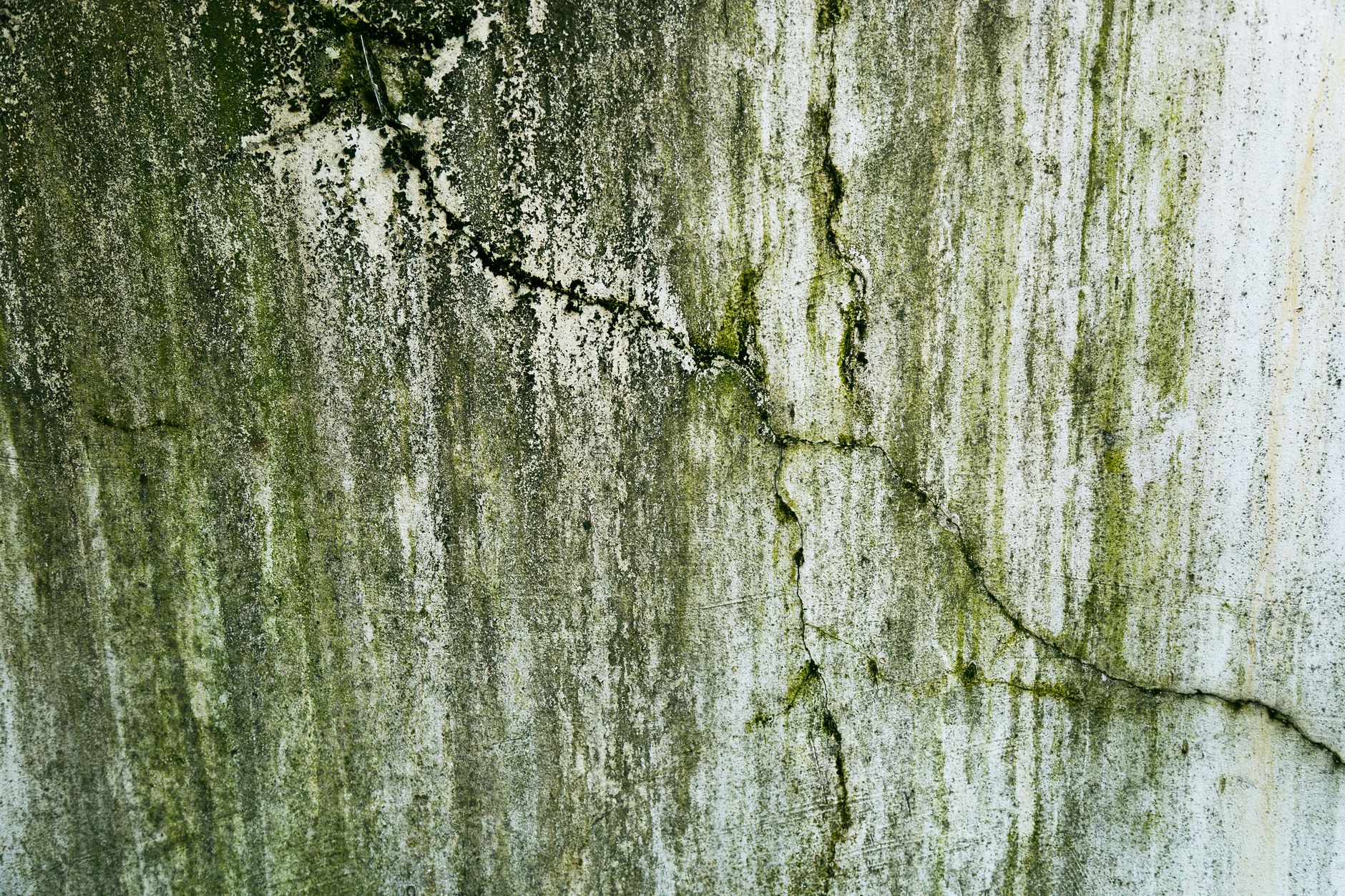
Humidity can create a breeding ground for mold and mildew, particularly in damp areas like bathrooms, kitchens, and laundry rooms. Additionally, excess moisture can weaken pipes, especially if they are made from materials that are susceptible to corrosion. This means that as humidity levels rise, so does your risk of plumbing disasters.
Key Strategies to Protect Your Plumbing
To help you mitigate the risks associated with humidity, consider implementing the following strategies:
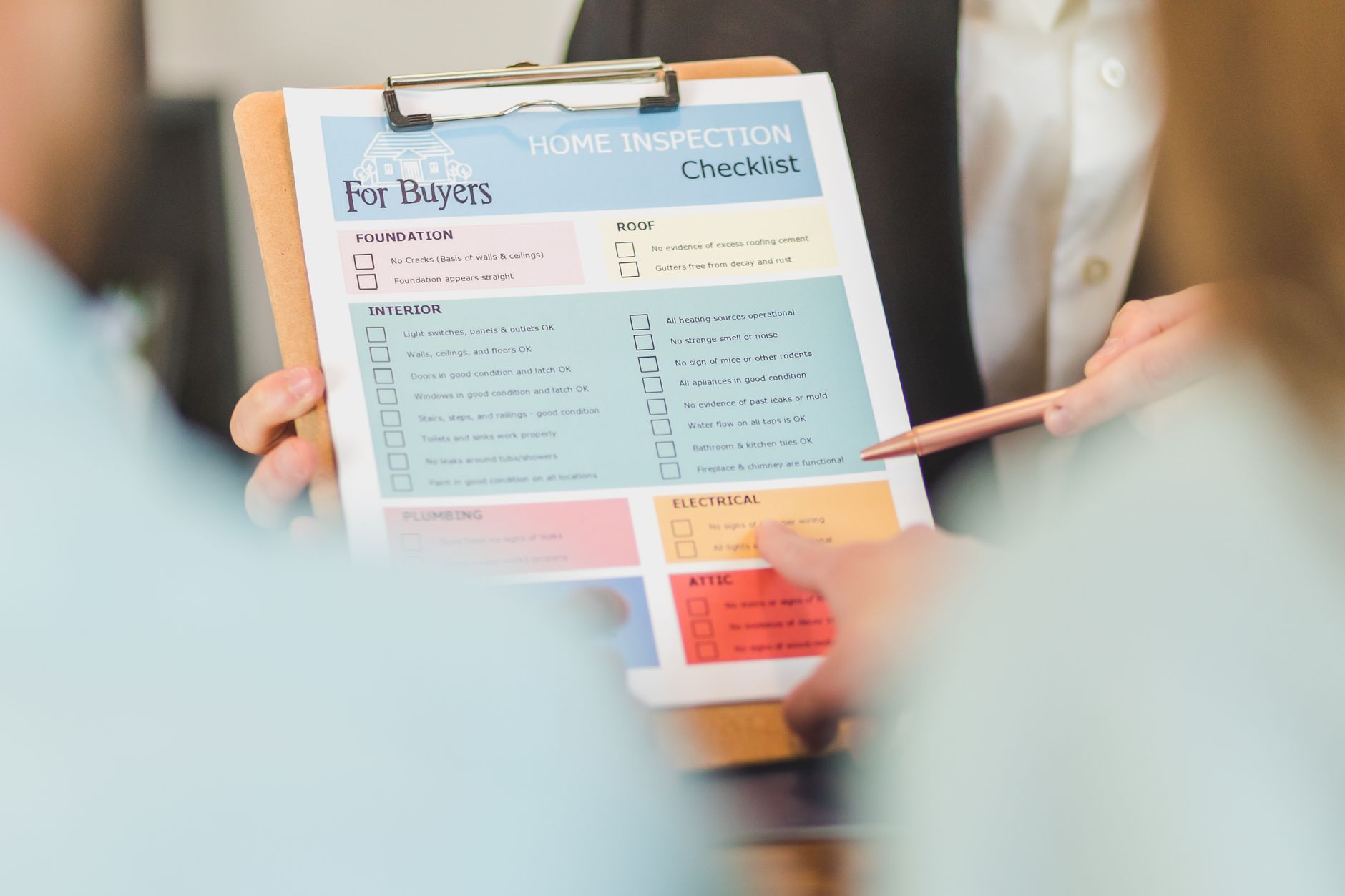
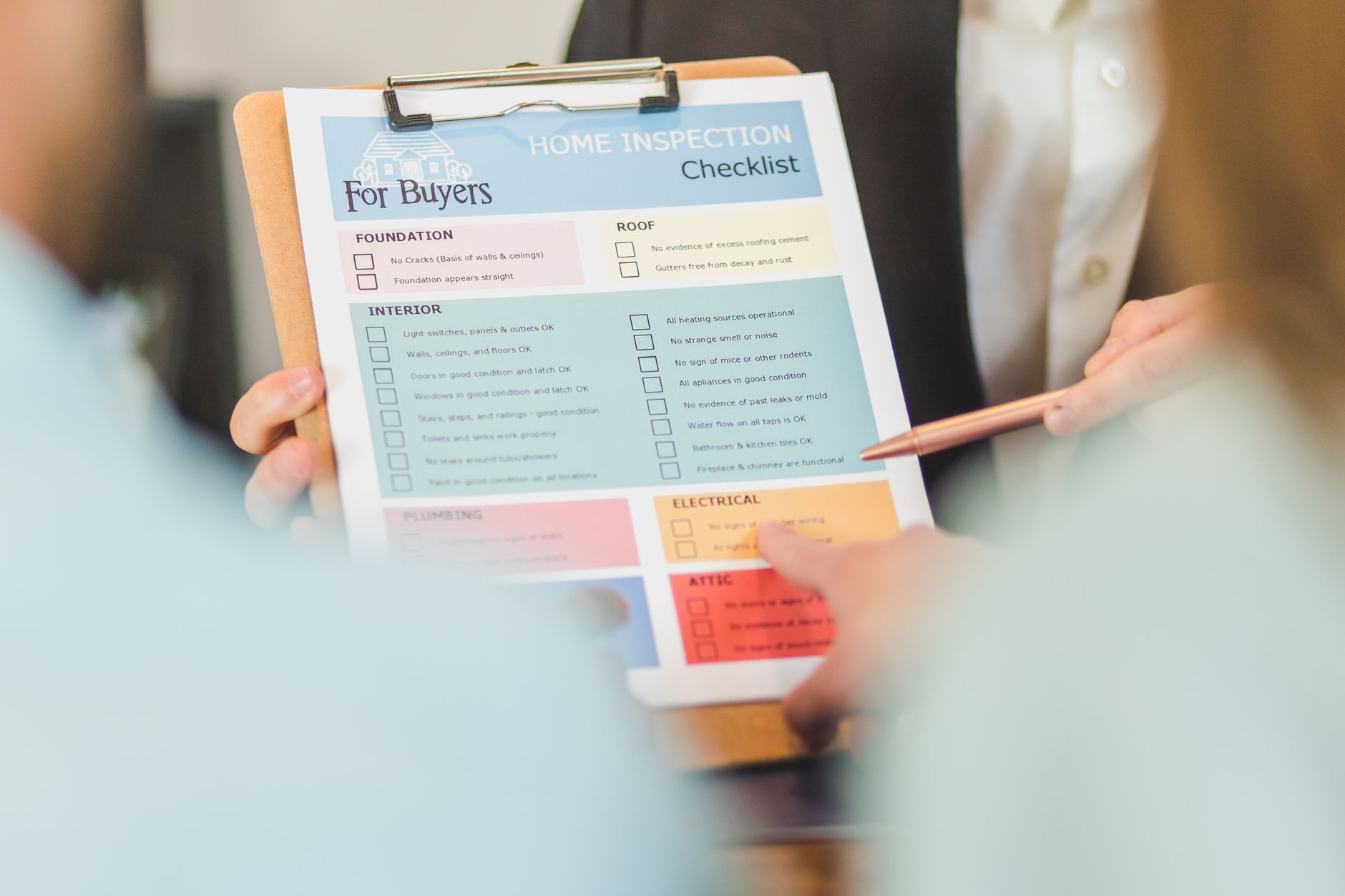
- Regular Inspections: Schedule routine plumbing inspections to catch potential problems early. Look for signs of moisture damage around pipes and fixtures.
- Insulate Pipes: Insulating your pipes can prevent condensation from forming, which is especially important for cold water lines.
- Ventilation: Ensure that areas prone to moisture, like bathrooms and kitchens, are well-ventilated. Use exhaust fans and open windows when possible.
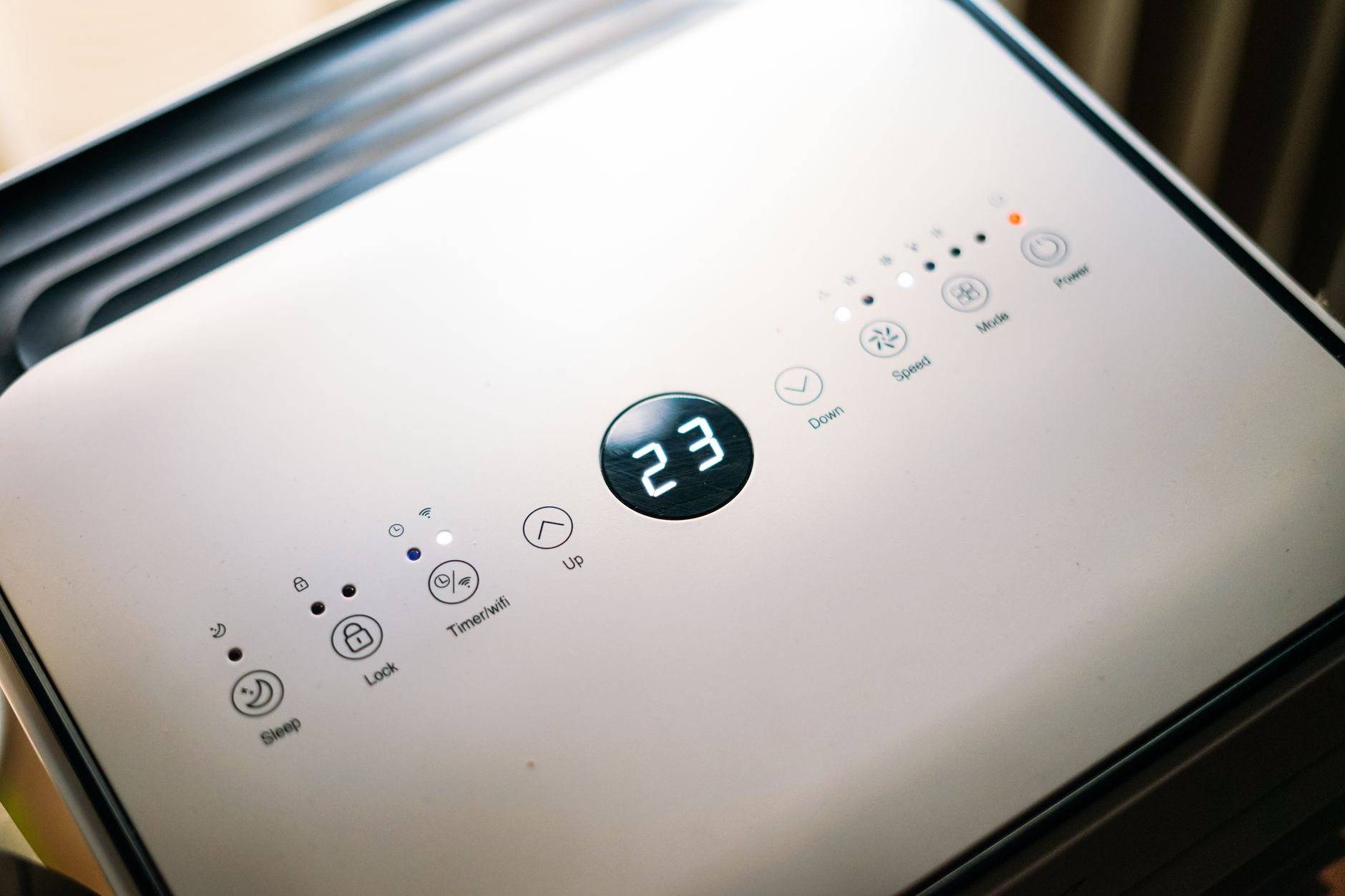
- Dehumidifiers: Consider using a dehumidifier to maintain optimal humidity levels in your home, especially during the peak of the summer months.
By taking these steps, you can significantly reduce the risk of plumbing issues caused by humidity.
Signs of Plumbing Issues Related to Humidity
Even with preventive measures, you may still encounter plumbing problems. It’s important to be vigilant and recognize the signs that something may be wrong:
- Unexplained increases in water bills
- Visible mold or mildew
- Water stains on walls or ceilings
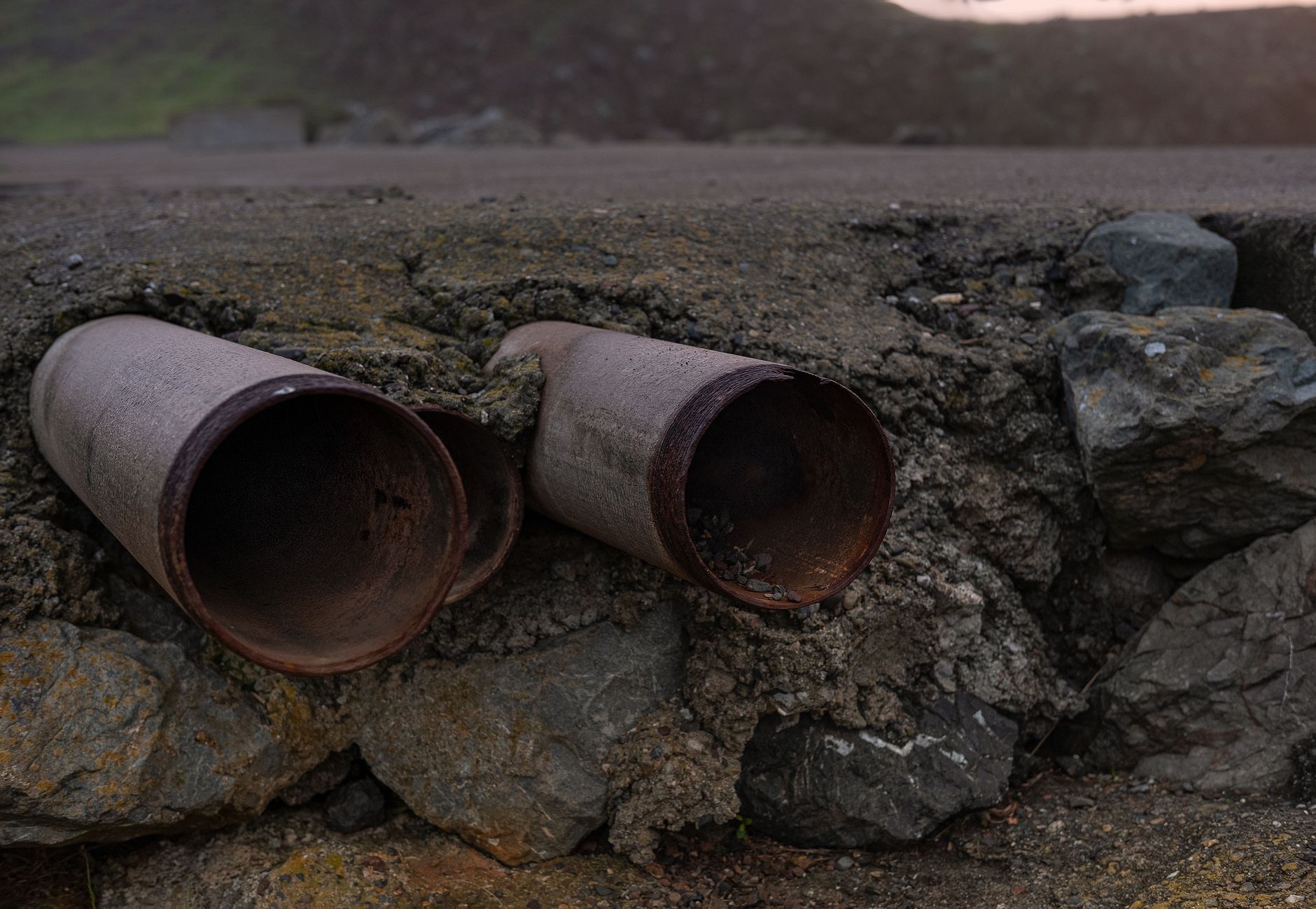
- Rust or corrosion around pipes
If you notice any of these signs, it may be time to schedule a leak detection service or consult a professional. Ignoring these symptoms could lead to more severe damage and costly repairs down the line.
When to Call a Professional
While many homeowners are capable of performing minor plumbing maintenance, there are situations when professional help is necessary. If you experience a burst pipe, significant water damage, or persistent leaks that you cannot locate, it’s time to call a plumber. The expertise of a professional plumber can save you time and potentially thousands in repairs.
For instance, if you're dealing with a burst pipe, don't hesitate to reach out for emergency plumbing services. A swift response can minimize damage and protect your home from further issues.
Further Resources for Homeowners
To enhance your understanding of water damage prevention and the impact of humidity, consider reading more about how to prepare your home for water damage from heavy rain. This insight can further inform your approach to protecting your plumbing.
Conclusion
Protecting your plumbing in Palm Beach County's humid climate requires vigilance and preventive action. By understanding the risks and implementing the strategies outlined above, you can keep your plumbing system healthy and avoid costly repairs. Remember, if you ever feel overwhelmed or uncertain about your plumbing situation, don’t hesitate to reach out to a professional for assistance. Your home deserves the best care, and with the right support, you can ensure it remains safe and sound.