Understanding The Impact Of Palm Beach County's Soil On Plumbing Systems
As a homeowner in Palm Beach County, you might not give much thought to the soil beneath your feet. However, the unique characteristics of our local soil can significantly affect your plumbing systems. From clay to sandy soils, the composition can lead to various plumbing issues, including leaks, pipe damage, and even foundation problems.
The Soil Types in Palm Beach County
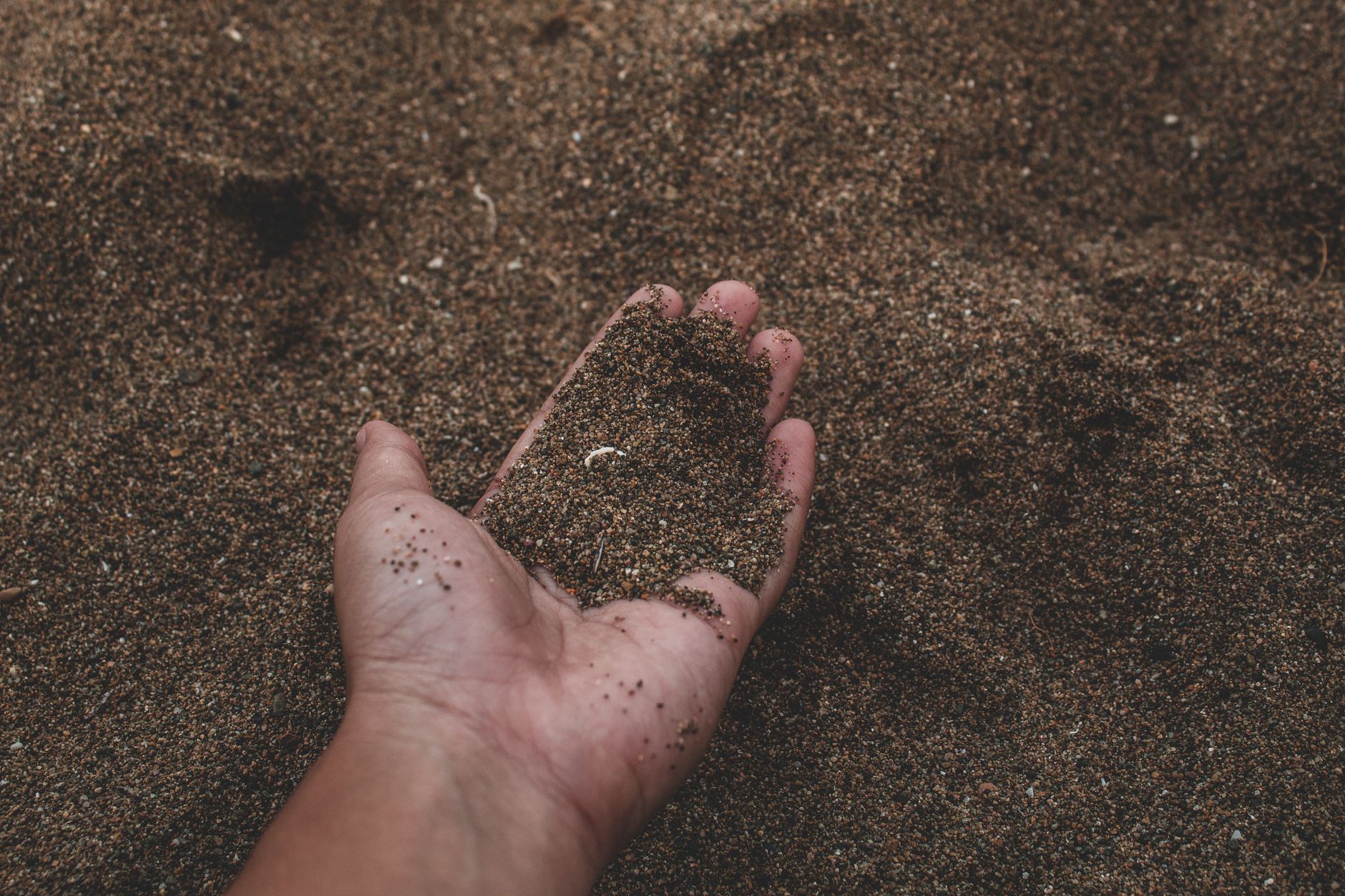
Palm Beach County is known for its diverse soil types. Predominantly, you will find sandy soils, which are well-draining but can also lead to a range of plumbing challenges. Here’s a quick overview of the common soil types:
- Sandy Soil: This type drains quickly but can also mean that pipes are more susceptible to shifting and settling.
- Clay Soil: Clay retains water and expands, which can put pressure on plumbing systems and lead to cracks.
- Loamy Soil: A mixture of sand, silt, and clay, loamy soil tends to be more stable but can still affect plumbing when it becomes saturated.
How Soil Affects Plumbing Systems
The interaction between soil and plumbing systems can lead to several issues:
1. Ground Shifting
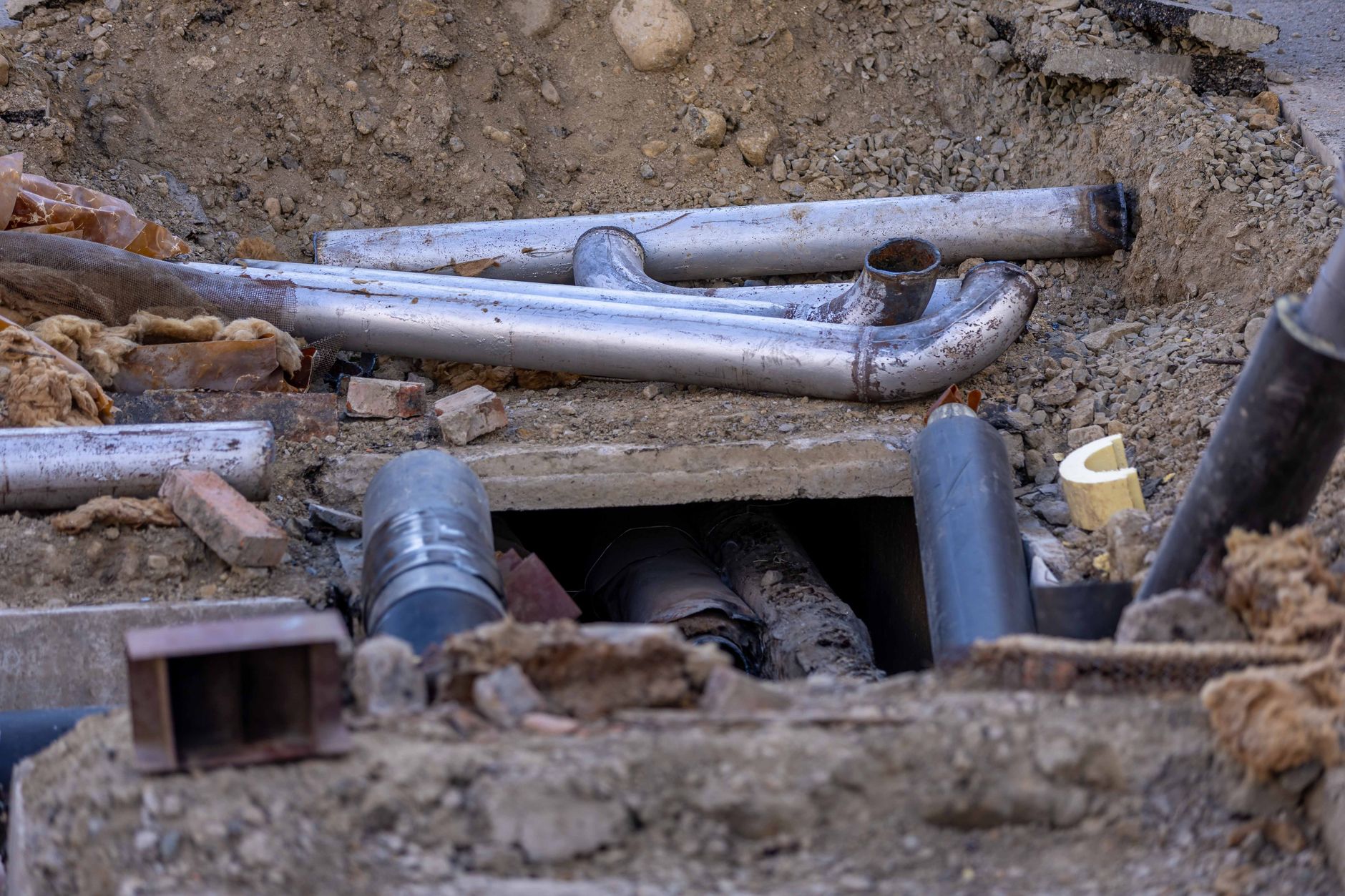
As the soil expands and contracts with moisture levels, it can shift, causing pipes to bend or break. This is particularly common in clay soils, where heavy rains can lead to significant shifts in the earth.
2. Root Intrusion
In areas with more vegetation, tree roots can penetrate pipes, causing blockages and leaks. Sandy soils might drain well, but when roots find a weak point, they can cause major disruptions.
3. Corrosion and Erosion
Soil composition can also affect the rate at which pipes corrode. For example, highly acidic soils can eat away at metal pipes, leading to leaks. Regular inspections and proper pipe materials can mitigate this risk.
Signs of Plumbing Issues
Being vigilant about the signs of plumbing issues is crucial. Here are some indicators that you may need to call a professional:
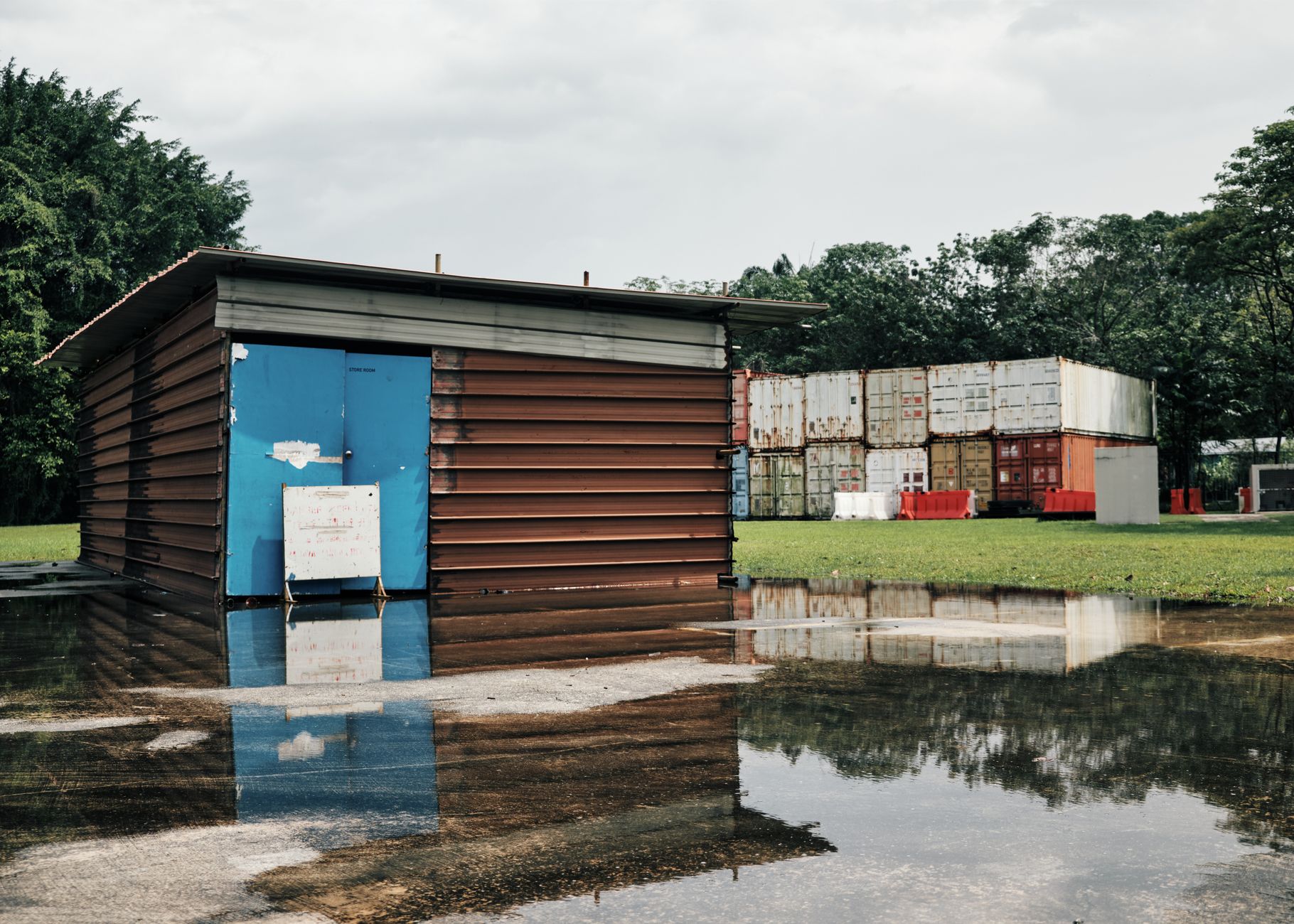
- Unexplained water pooling in your yard
- Increased water bills without a clear reason
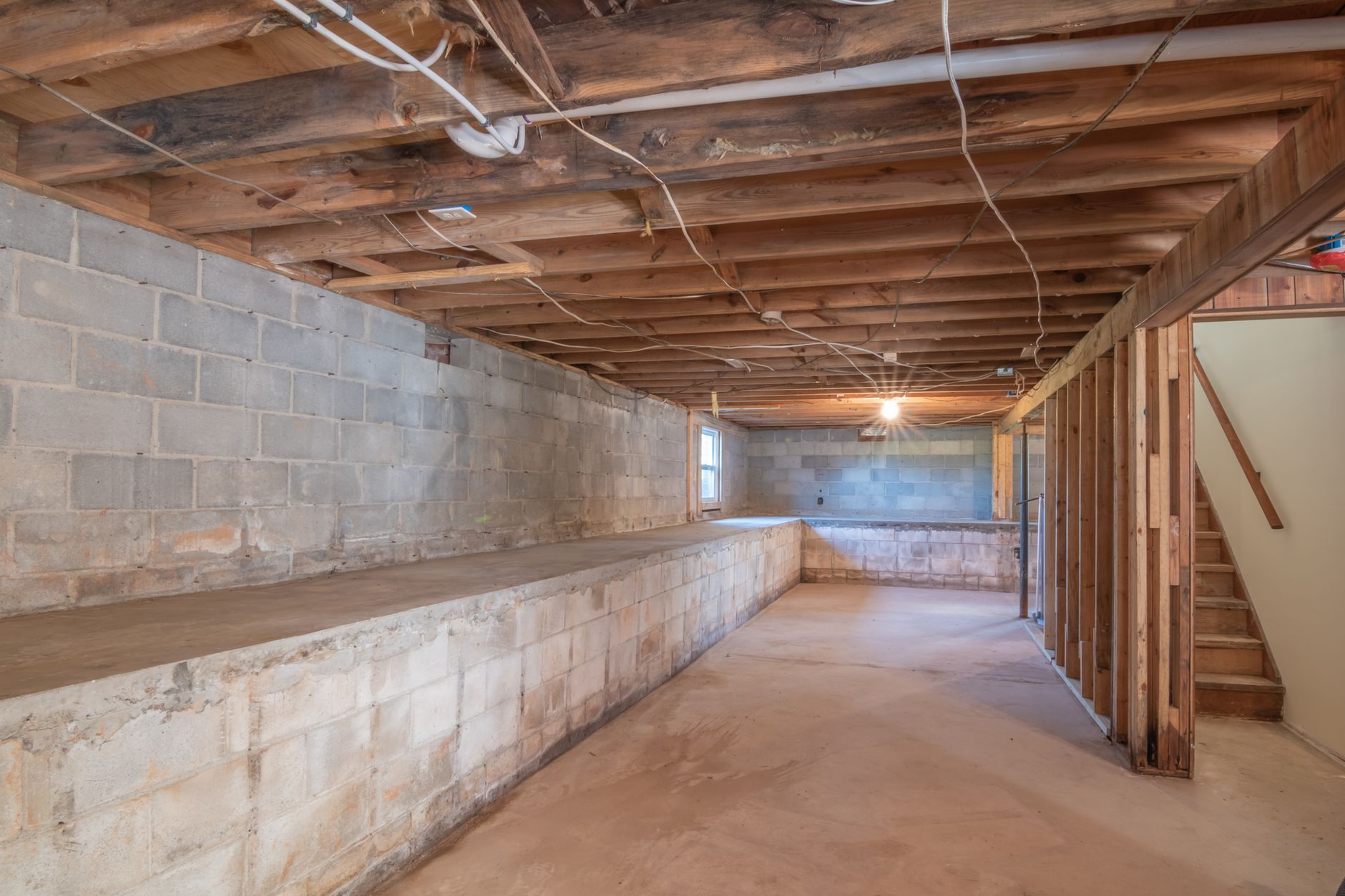
- Cracks in your walls or foundation
- Frequent clogging in drains
If you notice any of these signs, it’s essential to address them promptly. Delaying could lead to more extensive damage and higher repair costs.
When to Call a Professional
If you suspect that your plumbing issues are related to soil conditions, it’s wise to consult with a professional plumber. They can perform a thorough inspection and recommend the best course of action. For residents in Palm Beach County, you can rely on expert services available 24/7 for urgent plumbing needs. For more information, visit Palm Beach Mold And Water.
Preventative Measures
To protect your plumbing from soil-related issues, consider these preventative measures:
- Regularly inspect your plumbing system for signs of wear and tear.
- Ensure proper drainage around your home to prevent water accumulation.
- Consider landscaping solutions that minimize soil erosion.
Conclusion
Understanding the impact of Palm Beach County's soil on your plumbing systems is crucial for maintaining your home. By being proactive and aware of the signs of plumbing issues, you can save yourself from costly repairs down the line. For more insights and tips on plumbing maintenance, check out the Palm Beach Mold And Water blog.