Understanding The Role Of Water Pressure In Palm Beach County Plumbing Systems
Water pressure is often an overlooked aspect of plumbing systems, yet it plays a critical role in ensuring that your home runs smoothly. In Palm Beach County, where humidity and seasonal rains can impact plumbing, understanding how water pressure affects your system can save you from costly repairs and headaches. Imagine waking up to a shower that barely sprinkles or a sink that dribbles instead of flows. Frustrating, isn’t it? Let’s dive into what water pressure is, how it can vary, and what you can do about it.
What is Water Pressure?
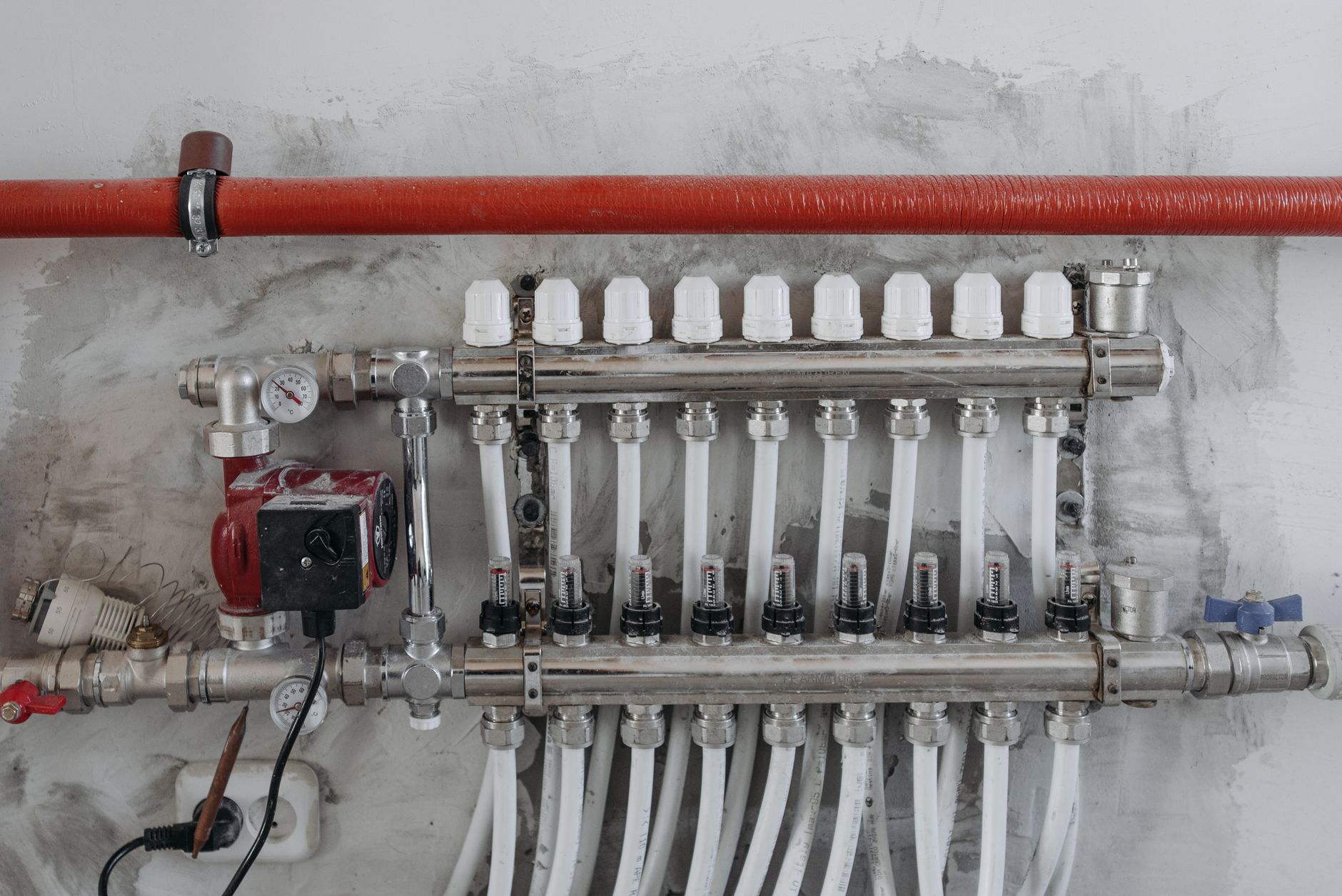
Water pressure refers to the force exerted by water in your plumbing system. It is usually measured in pounds per square inch (PSI). Residential water systems generally operate between 40 and 60 PSI. However, pressure can fluctuate due to various factors, such as the time of day, usage patterns in your neighborhood, and even the condition of your pipes.
Why is Water Pressure Important?
Proper water pressure is essential for a variety of reasons:
- Efficient Water Flow: High water pressure ensures that water flows freely through your taps, showers, and appliances.
- Appliance Functionality: Many appliances, like dishwashers and washing machines, require a specific water pressure to function correctly.
- Pipe Integrity: Too much pressure can strain pipes, leading to leaks or bursts, while too little can cause sediment build-up.
Understanding the balance of water pressure can help prevent plumbing problems before they escalate.
Common Water Pressure Problems
In Palm Beach County, several issues can affect your home's water pressure:
Low Water Pressure
Low water pressure can stem from a variety of sources, including:
- Clogged pipes due to mineral buildup or debris.
- Faulty pressure regulators that need adjustment or replacement.
- Municipal water supply issues that can affect your area.
If you're experiencing low water pressure, consider consulting a professional plumber who can diagnose the issue and recommend solutions.
High Water Pressure
On the other hand, excessive water pressure can be just as problematic. This condition can lead to:
- Leaking fixtures and appliances.
- Increased water bills due to wasted water.
- Potential damage to pipes, which could result in costly repairs.
Installing a pressure-reducing valve can help manage high water pressure, protecting both your plumbing and your wallet.
How to Check Your Water Pressure
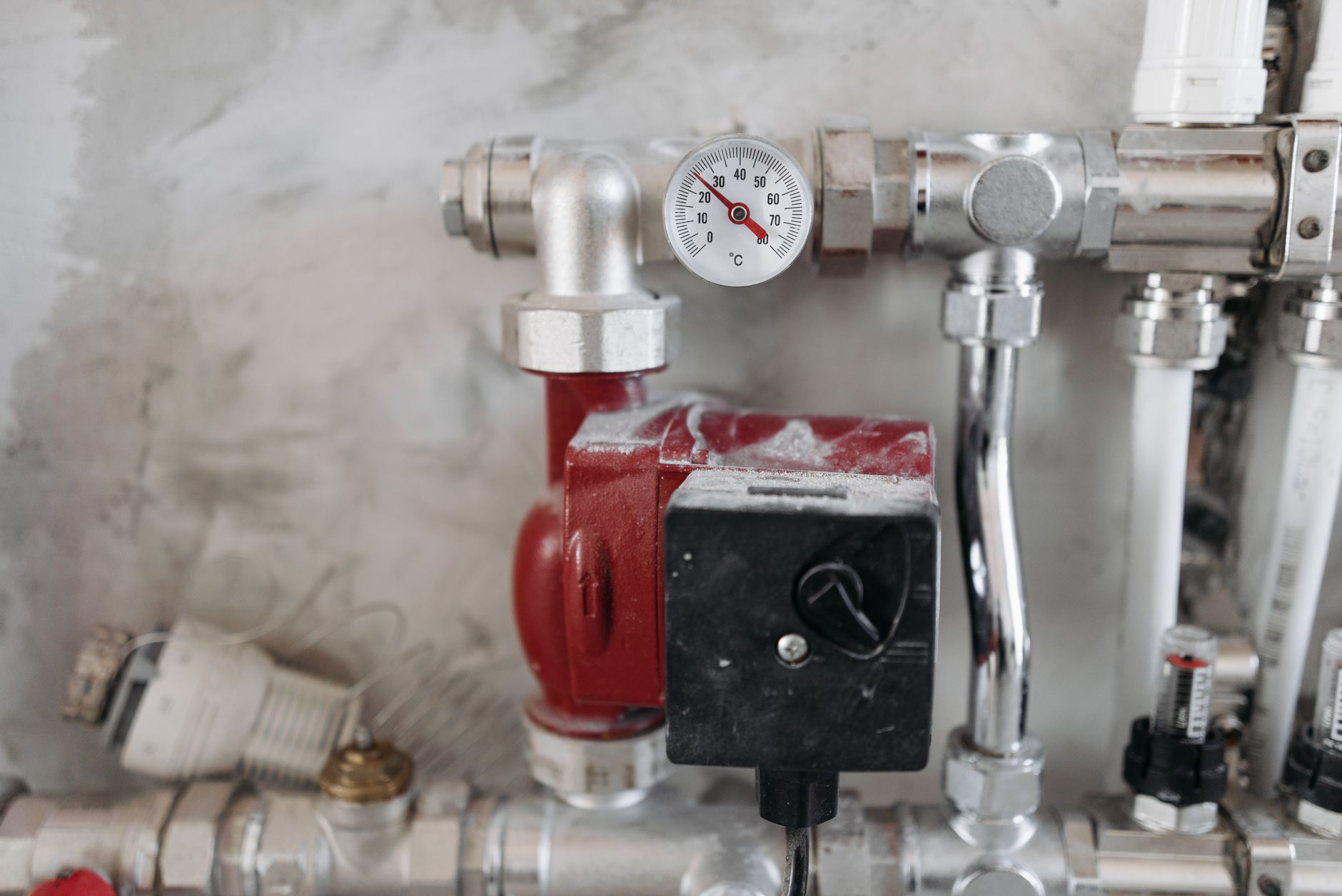
Checking your water pressure is a straightforward process. You can use a water pressure gauge, which is available at most hardware stores. Simply attach the gauge to an outdoor spigot and turn the water on. If the reading falls outside the 40-60 PSI range, you will need to take action.
When to Call a Professional
If your water pressure is consistently outside the normal range, or if you notice any signs of water damage, it’s time to call a plumber. Ignoring these issues could lead to significant damage, including mold growth and structural damage. A trained professional can assess your situation and provide the necessary repairs.
Conclusion
Water pressure is a vital component of your home's plumbing system. By understanding its role and recognizing potential issues, you can maintain a functional and efficient plumbing system. If you encounter persistent problems or need assistance, don’t hesitate to reach out to a local plumbing expert. Remember, proper maintenance can save you from costly repairs down the line. For more insights on water damage, check out The Hidden Costs Of Ignoring Water Damage In Palm Beach County Homes and consider professional restoration services if you face any water issues.