Understanding The Effects Of Saltwater On Your Plumbing System
Living near the coast can be a dream for many, but it comes with its own set of challenges. One of the most significant issues coastal homeowners face is the impact of saltwater on plumbing systems. Saltwater can be corrosive, and over time, it can lead to serious plumbing problems if not addressed properly.
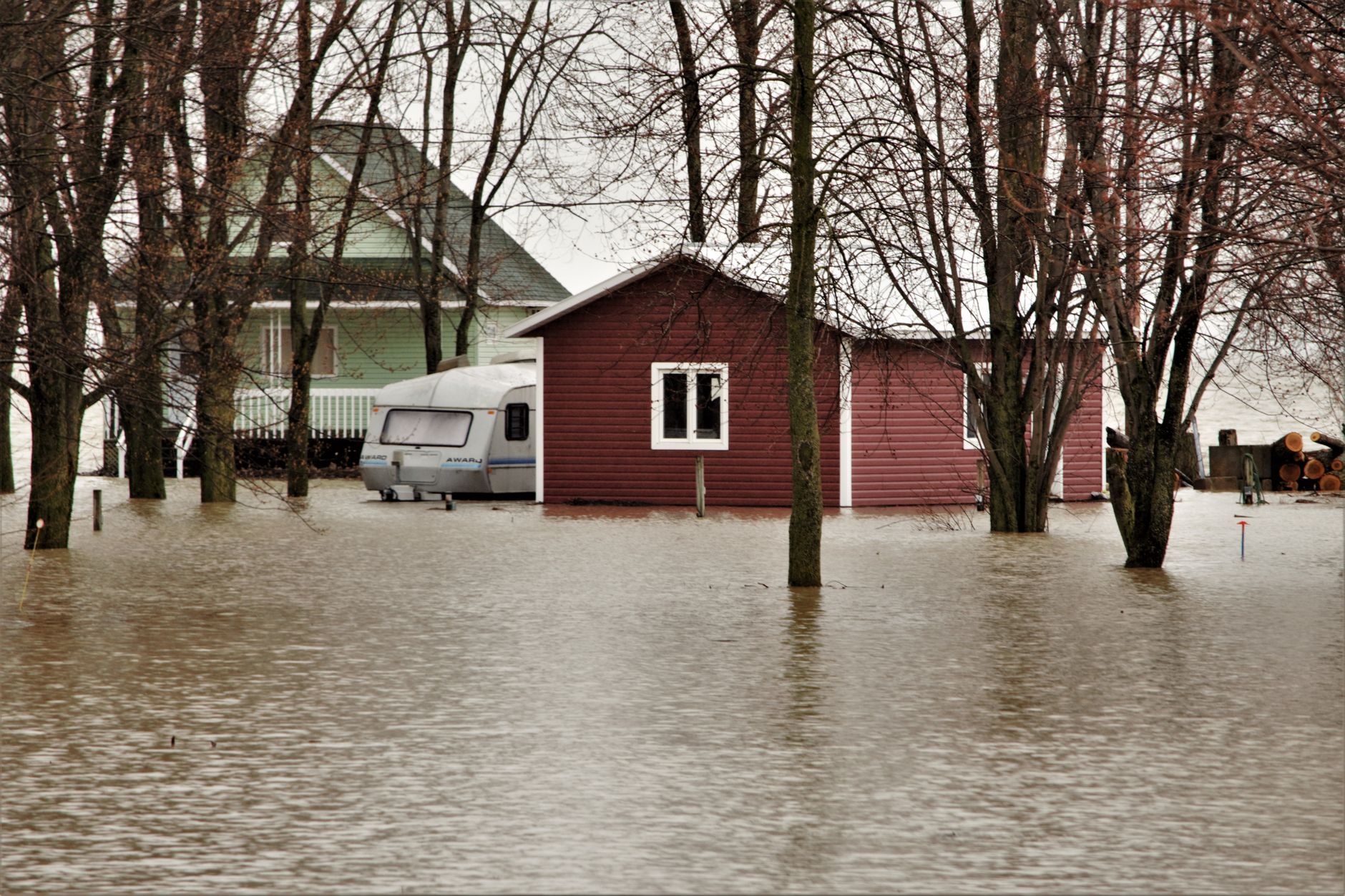
Saltwater intrusion occurs when saltwater from oceans or seas seeps into freshwater systems, especially during storms or high tides. This situation can cause various plumbing issues, including pipe corrosion, leaks, and even complete system failures. So, how can saltwater affect your plumbing system, and what can you do to protect your home?
The Dangers of Saltwater Corrosion
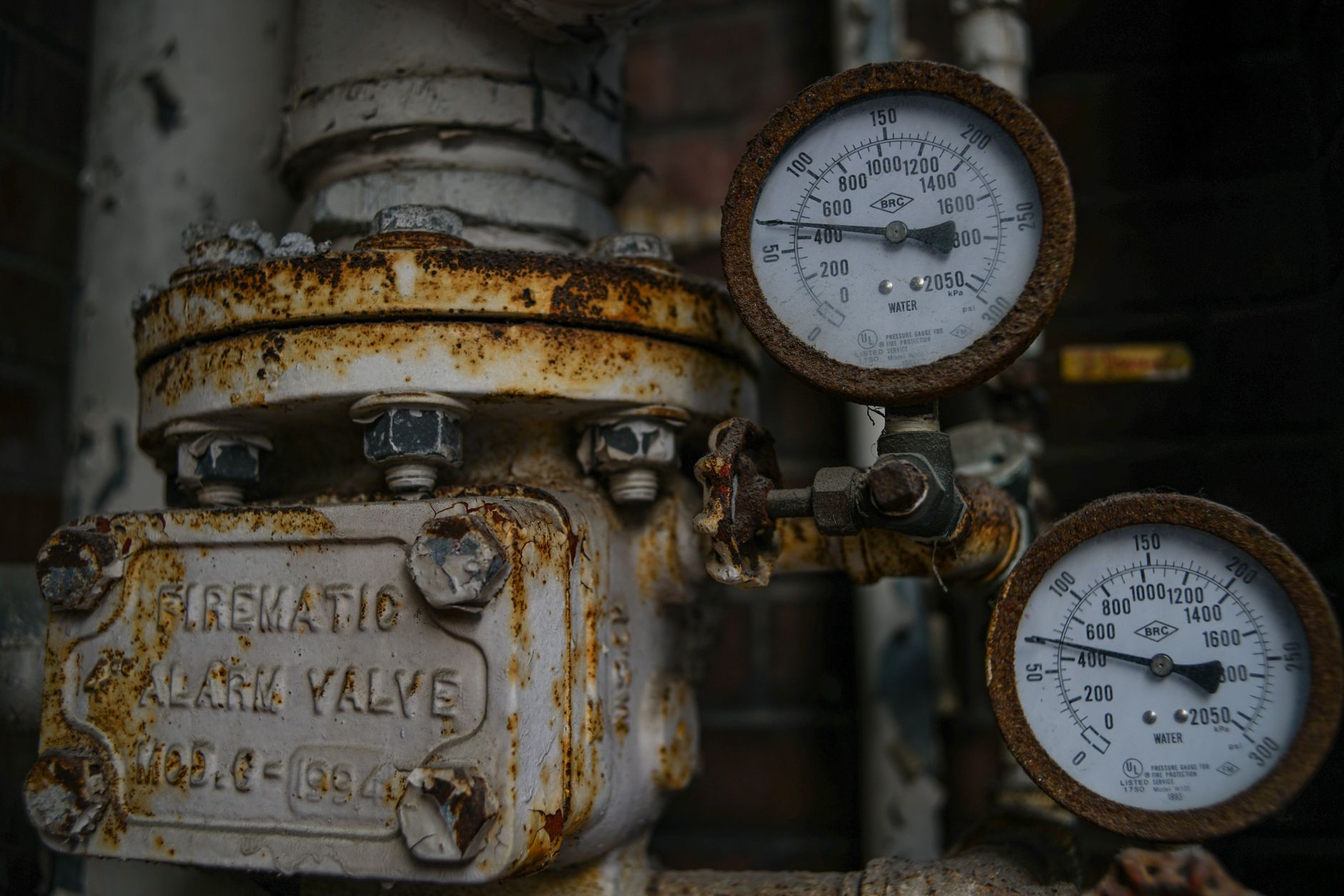
Saltwater is much more corrosive than freshwater, primarily due to its high salt content. When saltwater comes into contact with metal pipes, it can accelerate the oxidation process, leading to rust and deterioration. This corrosion can weaken pipes, making them more susceptible to leaks and bursts.
Most plumbing systems are made from materials like copper, steel, or PVC. While PVC is resistant to corrosion, metal pipes are at risk. Homeowners should be particularly vigilant about areas where saltwater may enter their plumbing systems, such as:
- Near the coast
- In basements or crawl spaces
- Where plumbing meets exterior walls
Signs of Saltwater Damage
Being proactive can save you from costly repairs down the line. Here are some signs that saltwater may be damaging your plumbing system:
- Discolored Water: If your tap water appears rusty or discolored, it could be a sign of corroded pipes.
- Unusual Odors: A metallic smell in your water may indicate corrosion.
- Frequent Leaks: If you find yourself repairing leaks more often than usual, it might be time to check for saltwater damage.
When you notice any of these signs, it's crucial to address the issue quickly to avoid more extensive damage.
Preventive Measures
Protecting your plumbing from saltwater damage requires a combination of good practices and possibly system upgrades. Here are some steps you can take:
- Regular Inspections: Schedule routine plumbing inspections with professionals who can identify early signs of corrosion or damage.
- Use Corrosion-Resistant Materials: If you're replacing pipes, consider using materials designed to withstand saltwater exposure.
- Install Backflow Preventers: These devices can help prevent saltwater from entering your home's plumbing system.
Investing in preventative measures can save you time, money, and stress in the long run.
When to Call a Professional
If you suspect that saltwater is affecting your plumbing system, it's essential to call a plumber as soon as possible. Professionals can assess the situation and recommend the best course of action, which may include repairs or replacements of affected pipes.
In addition, if you experience significant water damage from saltwater intrusion, consider contacting Palm Beach Mold And Water for expert restoration services. They specialize in water damage recovery and can help mitigate any further issues.
Conclusion
Saltwater can pose a significant threat to your plumbing system, especially for those living in coastal areas. By understanding the risks and taking proactive measures, you can protect your home and ensure your plumbing system remains in good working order. Regular maintenance, awareness of the signs of damage, and timely professional help are your best strategies for safeguarding your plumbing against the corrosive effects of saltwater.
For more in-depth information about the long-term effects of saltwater and mold infestations, check out this informative article from our partners: The Long-Term Effects Of Mold Infestations In Coastal Homes.